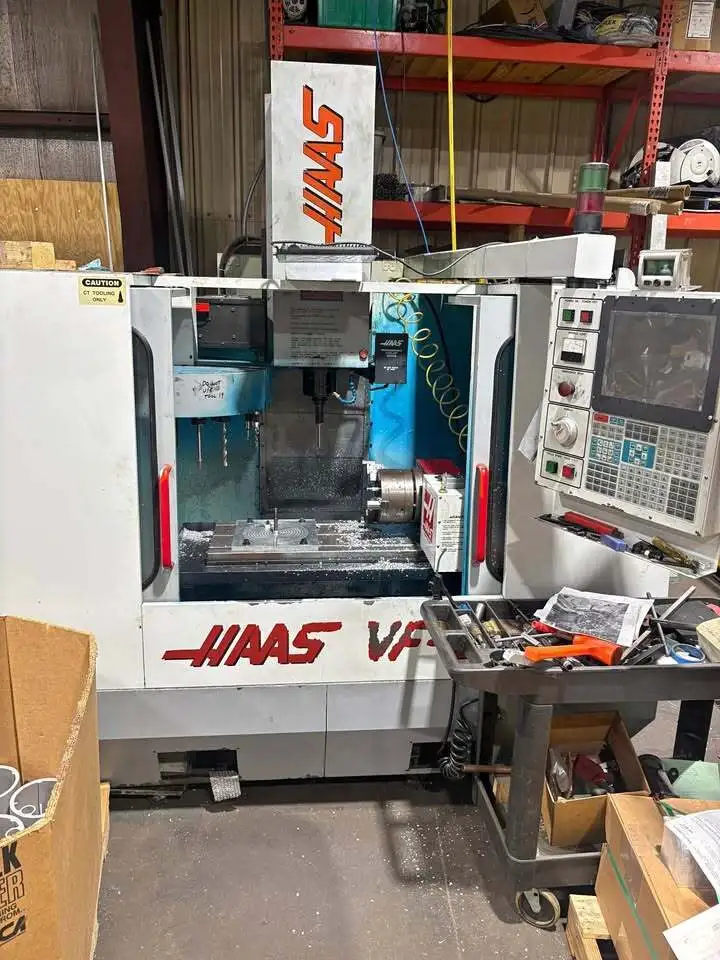
USED HAAS VF2 – 1995
The HAAS VF2 is a compact 3-axis vertical machining center designed for general-purpose milling, prototyping, tooling, repair work, and job-shop production. The 1995 HAAS VF2 is an early-generation machine and should be evaluated differently from newer VF2 models because its control, electronics, spindle, and mechanical configuration can differ substantially from today’s VF2 specification.
The modern VF2 platform has 30″ X-axis travel, 16″ Y-axis travel, and 20″ Z-axis travel, with a 36″ x 14″ table and 40-taper tooling. However, these current specifications should not be automatically assigned to a 1995 machine without verifying its original configuration. Haas itself notes that optional equipment can change machine specifications.
A 1995 VF2 can still be useful for basic CNC milling, but its greatest consideration is age. Community discussions involving actual 1995 VF2 machines highlight concerns around older controls, limited memory, drive cards, electronics, keypad availability, and parts support. One owner reported that a 1996 VF2 was still capable of producing accurate parts but had very limited memory and slower rapids.
For a used 1995 VF2, buyers should focus heavily on control condition, spindle runout, ballscrews, axis backlash, machine geometry, drive electronics, tool changer operation, lubrication, coolant system, and availability of replacement parts.
HAAS VF2 – AXIS
| Specification | Details |
|---|---|
| Machine Type | Vertical Machining Center |
| Axis Configuration | 3-Axis |
| X-Axis Travel | Approx. 30″ |
| Y-Axis Travel | Approx. 16″ |
| Z-Axis Travel | Approx. 20″ |
| 4th-Axis Capability | Optional / Configuration Dependent |
| 5th-Axis Capability | Not Typical for Original Configuration |
| CNC Interpolation | 3-Axis |
Exact 1995 specifications should be confirmed from the machine serial number and original documentation.
HAAS VF2 – AXIS TRAVELS / WORK ENVELOPE
| Specification | Details |
|---|---|
| X-Axis Travel | Approx. 30″ |
| Y-Axis Travel | Approx. 16″ |
| Z-Axis Travel | Approx. 20″ |
| Work Envelope | Approx. 30″ x 16″ x 20″ |
| Spindle Nose to Table | Configuration Dependent |
| Rotary Compatibility | Configuration Dependent |
The current VF2 is specified with 30″ x 16″ x 20″ travels, but a buyer should verify these figures against the specific 1995 machine rather than treating current Haas specifications as historical specifications.
HAAS VF2 – CAPACITY / TABLE
| Specification | Details |
|---|---|
| Table Type | Fixed T-Slot Table |
| Table Length | Approx. 36″ |
| Table Width | Approx. 14″ |
| T-Slots | Configuration Dependent |
| Workholding | Vises, Fixtures, and Custom Tooling |
| Rotary Compatibility | Configuration Dependent |
| Maximum Table Load | Verify Machine Specification |
The current VF2 uses a 36″ x 14″ table and is rated for 3,000 lb of evenly distributed load. For a 1995 machine, the actual table specifications and load rating should be verified before publishing them as machine-specific data.
HAAS VF2 – SPINDLE
| Specification | Details |
|---|---|
| Spindle Type | Configuration Dependent |
| Spindle Taper | 40 Taper / Verify |
| Spindle Motor Power | Configuration Dependent |
| Maximum Spindle Speed | Configuration Dependent |
| Spindle Cooling | Configuration Dependent |
| Rigid Tapping | Configuration Dependent |
| Through-Spindle Coolant | Not Typical / Configuration Dependent |
| Spindle Condition | Critical Inspection Item |
The modern VF2 uses a 30 HP, 8,100 RPM inline direct-drive spindle, but those specifications should not be represented as original 1995 specifications without documentation.
On a 1995 machine, inspect spindle runout, bearing noise, vibration, taper condition, drawbar operation, spindle motor condition, and performance across the available RPM range.
HAAS VF2 – TOOL CHANGER
| Specification | Details |
|---|---|
| Tool Changer Type | Automatic Tool Changer / Configuration Dependent |
| Tool Capacity | Configuration Dependent |
| Tool Taper | 40 Taper / Verify |
| Tool Selection | Automatic |
| Tool Changer Condition | Should Be Tested Thoroughly |
| Tool Change Reliability | Critical on Used Machine |
The actual tool changer on a 1995 VF2 should be verified from the machine itself. Buyers should perform repeated tool changes to check carousel movement, tool-pocket alignment, drawbar release, sensors, tool-clamp operation, and ATC faults.
HAAS VF2 – CONTROL SYSTEM
| Specification | Details |
|---|---|
| CNC Control | Original Haas CNC Control |
| Control Generation | Early Haas Control |
| Display | Original CRT / Configuration Dependent |
| Program Memory | Limited Compared With Modern Controls |
| USB Connectivity | Generally Not Original |
| Ethernet Connectivity | Not Original |
| Rigid Tapping | Configuration Dependent |
| Probing | Optional / Uncommon |
| 4th-Axis Control | Configuration Dependent |
| Control Upgrade | Possible Through Specialized Retrofit / Upgrade Solutions |
The control system is one of the biggest concerns with a 1995 VF2. Owners discussing machines from this period report limited memory and difficulties associated with older electronics and control components.
Before purchasing, determine exactly which control is installed and whether replacement boards, displays, drives, and other critical components remain available.
HAAS VF2 – FEEDRATES
| Specification | Details |
|---|---|
| X-Axis Rapid Traverse | Configuration Dependent |
| Y-Axis Rapid Traverse | Configuration Dependent |
| Z-Axis Rapid Traverse | Configuration Dependent |
| Maximum Cutting Feedrate | Configuration Dependent |
| High-Speed Machining | Not Typical of Original Machine |
| Rapid Traverse Performance | Verify During Inspection |
Do not use current VF2 feedrate figures as specifications for the 1995 machine. The current model is rated at 1,000 IPM rapids on X, Y, and Z, but the older machine’s actual performance depends on its original drives, motors, control, and configuration.
HAAS VF2 – COOLANT / CHIP MANAGEMENT
| Specification | Details |
|---|---|
| Flood Coolant | Configuration Dependent |
| Coolant Tank | Included / Configuration Dependent |
| Coolant Pump | Configuration Dependent |
| Programmable Coolant Nozzle | Not Typical of Original Configuration |
| Chip Auger | Configuration Dependent |
| Chip Conveyor | Not Typical / Optional |
| Through-Spindle Coolant | Not Typical |
| Chip Washdown | Configuration Dependent |
| Coolant System Condition | Inspect Before Purchase |
The current VF2 uses a 55-gallon coolant system, but this should not automatically be assigned to the 1995 machine.
On an older machine, check the coolant pump, tank, hoses, leaks, chip accumulation, and electrical connections around the coolant system.
HAAS VF2 – PROBING & AUTOMATION OPTIONS
| Specification | Details |
|---|---|
| Work Probe | Optional / Usually Retrofitted |
| Tool Setter | Configuration Dependent |
| Renishaw Probing | Possible With Appropriate Control |
| 4th-Axis Drive | Configuration Dependent |
| 4th-Axis Wiring | Configuration Dependent |
| Rotary Table Integration | Possible |
| Robotic Integration | Not Typical |
| Modern Automation | Requires Evaluation / Retrofit |
For a 1995 VF2, probing and modern automation should be treated as machine-specific upgrades rather than assumed standard features.
HAAS VF2 – POWER REQUIREMENTS
| Specification | Details |
|---|---|
| Electrical Configuration | 3-Phase |
| Input Voltage | Verify Machine Data Plate |
| Transformer | Configuration Dependent |
| Full-Load Current | Machine Specific |
| Minimum Air Pressure | Verify Machine Documentation |
| Air Consumption | Configuration Dependent |
| Electrical Requirement | Must Be Verified Before Installation |
Do not use the electrical specifications of today’s VF2 for a 1995 machine without checking the machine’s actual electrical cabinet and data plate.
HAAS VF2 – DIMENSIONS
| Specification | Details |
|---|---|
| Machine Construction | Vertical Machining Center |
| Approximate Dimensions | Configuration Dependent |
| Machine Weight | Configuration Dependent |
| Installation Type | Industrial Installation |
| Floor Space | Verify Before Rigging |
| Chip Conveyor Space | Additional Space if Equipped |
The dimensions and weight of an individual 1995 VF2 should be verified before transportation or installation planning.
HAAS VF2 – GENERAL INFORMATION
| Specification | Details |
|---|---|
| Manufacturer | Haas Automation |
| Model | VF2 |
| Year | 1995 |
| Machine Category | Vertical Machining Center |
| Axis Configuration | 3-Axis |
| Spindle Taper | 40 Taper / Verify |
| Spindle Speed | Configuration Dependent |
| Spindle Power | Configuration Dependent |
| Tool Capacity | Configuration Dependent |
| X-Axis Travel | Approx. 30″ |
| Y-Axis Travel | Approx. 16″ |
| Z-Axis Travel | Approx. 20″ |
| Table Size | Approx. 36″ x 14″ / Verify |
| Primary Application | General-Purpose CNC Milling |
| Production Environment | Job Shop / Prototype / Maintenance |
INDUSTRIES THAT USE HAAS VF2
A 1995 HAAS VF2 can be used for general machining, job-shop work, maintenance machining, tooling, repair work, prototyping, automotive components, industrial equipment, and small-batch manufacturing.
Because of its age and older control architecture, it is generally more appropriate for shops that can work comfortably with older CNC technology and are prepared to maintain or repair legacy electronics.
It can still perform common operations such as face milling, pocketing, drilling, contouring, slotting, tapping, and basic production milling, provided the machine’s mechanical and electrical systems are in good condition.
TYPICAL PARTS HAAS VF2 CAN PRODUCE
The HAAS VF2 can produce:
- Machine brackets
- Industrial components
- Automotive parts
- Aluminum housings
- Tooling components
- Fixtures
- Mounting plates
- Prototype parts
- Repair components
- Small production components
- Custom brackets
- Maintenance parts
- General job-shop components
Typical machining operations include face milling, pocketing, contouring, drilling, tapping, boring, slotting, chamfering, and finishing.
WHY CHOOSE HAAS VF2
The biggest reason to consider a 1995 HAAS VF2 is its low acquisition cost relative to newer CNC machining centers.
The VF2 platform has long been recognized as Haas’s core vertical machining center, and the modern VF2 remains a 40-taper, 3-axis machine with 30″ x 16″ x 20″ travels.
However, the 1995 model should be considered a legacy CNC machine, not simply a cheaper version of a modern VF2.
The biggest advantages are its potentially low purchase price, relatively compact footprint, established mechanical design, and ability to perform basic CNC milling.
The disadvantages are old electronics, limited memory, slower controls, potential parts availability issues, and greater risk of age-related failures. Owners discussing 1995–1996 VF2 machines specifically mention these limitations.
WHY BUY USED HAAS VF2
Buying a used 1995 HAAS VF2 can make sense for a shop that needs inexpensive CNC milling capability and has the technical ability to maintain older equipment.
The machine can be particularly useful for maintenance departments, prototype work, hobby manufacturing, educational environments, small job shops, and shops that already have experience servicing legacy Haas controls.
The primary advantage is acquisition cost. A 1995 machine can be dramatically less expensive than a newer VF2.
However, buyers should not purchase this machine based solely on the low price. The machine should be evaluated for spindle condition, ballscrew wear, axis backlash, linear-guide condition, machine geometry, drive amplifiers, control boards, display, keypad, tool changer, lubrication system, coolant system, and electrical cabinet condition.
Community feedback on 1995 VF2 machines specifically mentions limited memory, aging drive cards, control concerns, and difficulty obtaining certain components, although some owners report successfully operating machines from this era for many years.
A full power-on inspection is strongly recommended.
HOW MUCH DOES A USED HAAS VF2 COST?
A reasonable estimated market range for a used HAAS VF2 – 1995 is approximately $5,000 to $12,000 USD, depending heavily on condition, control condition, spindle health, tooling, options, maintenance history, and whether the machine is operational.
There is direct market evidence for this generation. In a 2024 discussion, a buyer reported a 1995/1996 VF2 being offered for approximately $7,000, described as functional and still producing chips. The discussion also highlighted the major concern with these early machines: legacy control and electronic support.
For an inventory listing, I would use $5,000–$12,000 as a realistic estimated range for a working 1995 HAAS VF2.
A machine around $7,000–$9,000 with a functioning control, usable spindle, acceptable axis condition, and basic tooling would be a reasonable middle-market estimate.
A very clean machine with a recently rebuilt spindle, good mechanical condition, working electronics, tooling, and useful upgrades could potentially command $10,000–$12,000+.
On the other hand, a machine with control problems, CRT/display failure, drive faults, spindle issues, significant backlash, damaged ballscrews, or missing electronics may be worth only a few thousand dollars or potentially have greater value as a parts/retrofit machine.
This is particularly important because a low purchase price can quickly disappear after rigging, transportation, control repairs, spindle work, electrical repairs, and replacement components.
Before purchasing, verify power-on operation, spindle runout, axis backlash, positioning accuracy, control functionality, memory, display condition, keypad, drive alarms, tool changer operation, lubrication, coolant, and availability of replacement electronics.
For a 1995 VF2, condition is far more important than the year alone. A well-maintained operational machine at around $7,000–$10,000 can be useful for basic machining, while an apparently cheap machine with serious control or mechanical problems can become an expensive project.
HAAS VF2 VS MORI SEIKI DURAVERTICAL 5060 – WHICH USED VMC IS BETTER?
The HAAS VF2 and MORI SEIKI DURAVERTICAL 5060 are both capable CNC vertical machining centers, but they appeal to different types of buyers and machining environments. When comparing these machines in the used CNC market, the decision should not be based solely on age, price, or spindle horsepower. Machine construction, rigidity, control system, maintenance history, available service, replacement parts, and the intended machining application all play an important role in determining which VMC is the better investment.
The HAAS VF2 is known for its versatility, relatively simple operation, and strong presence in machine shops throughout North America and other manufacturing markets. It is commonly used for prototype work, job shop production, fixtures, tooling, and repeat production components. One of its major advantages is the familiarity of the HAAS control. Many machinists have experience with the interface, and shops can often find operators, service support, and replacement components more easily than with some older imported machines.
The MORI SEIKI DURAVERTICAL 5060 is generally associated with robust machine construction and the engineering quality traditionally expected from MORI SEIKI machining centers. For buyers focused on rigidity and demanding cutting applications, a well-maintained DURAVERTICAL 5060 can be an attractive option. Its heavier-duty construction may provide advantages during aggressive machining operations, particularly when cutting steel, stainless steel, cast iron, or other demanding materials.
However, the condition of a used MORI SEIKI should be examined carefully. Depending on the machine’s age, replacement parts, electronics, control components, and service requirements may influence long-term ownership costs. An older, heavily used premium machine is not necessarily a better purchase than a newer, well-maintained HAAS VF2.
The HAAS VF2 may be the better choice for shops prioritizing affordability, ease of operation, available support, and flexibility. The MORI SEIKI DURAVERTICAL 5060 may be preferable for buyers who value heavier construction and stronger machining performance.
Ultimately, the best used VMC is the machine in the best condition for the intended application. Buyers should inspect spindle condition, axis movement, accuracy, maintenance records, control operation, tooling, and overall machine wear before making a purchasing decision.
HAAS VF2 CNC CONTROL ALARM CODES – TROUBLESHOOTING GUIDE
Alarm codes on a HAAS VF2 are designed to alert the operator when the CNC control detects an abnormal operating condition. These alarms can relate to axis movement, servo performance, spindle operation, tool changes, lubrication, air pressure, communication, machine safety systems, programming errors, or other control-related functions. Understanding the general category of an alarm is the first step toward identifying the actual cause and restoring the machine to normal operation.
When an alarm occurs, the operator should first record the exact alarm number and complete message shown on the control. The alarm should not simply be cleared and ignored, especially if it repeatedly returns. Recording the information makes troubleshooting more systematic and can help identify patterns related to a particular program, tool, axis, or machine operation.
Axis and servo-related alarms may occur because of excessive mechanical resistance, encoder problems, damaged cables, servo motor faults, drive issues, or positioning errors. If an alarm occurs on only one axis, troubleshooting can focus on the components associated with that axis. Problems affecting multiple axes may indicate a broader electrical, power, control, or safety-related condition.
Spindle alarms can be associated with excessive load, overheating, drive problems, motor issues, or communication faults. Tool changer alarms may result from incorrect machine position, low air pressure, mechanical obstruction, sensor problems, or damaged tool changer components.
Some alarms are caused by programming or setup issues rather than machine failure. Incorrect offsets, improper G-code commands, invalid parameter values, or conflicting machine instructions can generate alarms even when the machine itself is operating correctly. Reviewing the program and the machine’s current operating state can often identify these problems.
Mechanical inspections are also important. Chips, coolant contamination, damaged way covers, loose components, or crash damage can contribute to alarms involving axis movement or machine functions.
A systematic troubleshooting process should include recording the alarm, determining when it occurs, identifying whether it affects a specific machine function, inspecting for visible problems, and reviewing recent changes to the program or setup. Electrical cabinet work and advanced diagnostics should be performed by qualified CNC service personnel.
Alarm codes are valuable diagnostic tools, but they identify a detected condition rather than always identifying the exact failed component. Proper troubleshooting is necessary to determine the root cause and prevent repeated alarms or unnecessary replacement of expensive parts.
HAAS VF2 DAILY, WEEKLY, AND MONTHLY MAINTENANCE SCHEDULE
A structured maintenance schedule can help keep a HAAS VF2 operating accurately and reduce the risk of unexpected downtime. Maintenance requirements can vary depending on the machine’s age, production hours, operating environment, materials being machined, and installed options. A machine running multiple shifts and producing large quantities of chips will generally require more frequent attention than a machine used occasionally for prototype work.
Daily maintenance should focus on cleanliness and basic operating checks. Operators should remove excessive chips from the work area and inspect way covers for damage or obstruction. The spindle taper and toolholders should be kept clean to reduce the risk of runout, vibration, and poor tool retention. Coolant level and general condition should be checked, along with visible signs of leaks. Operators should also listen for unusual spindle, axis, pump, or tool changer noises during normal operation.
The lubrication system should be checked regularly for proper lubricant level and any warning messages. Because inadequate lubrication can accelerate wear of important mechanical components, lubrication alarms should be investigated promptly. Air supply condition and pressure should also be verified where applicable.
Weekly maintenance can include a more detailed inspection of the machine. Check for excessive chip buildup around covers, coolant passages, chip management equipment, and moving components. Inspect pneumatic hoses and fittings for leaks or damage. Monitor the operation of the tool changer and look for signs of unusual wear or loose components. Coolant filters, screens, and related areas should be cleaned as necessary.
Monthly maintenance should include a broader inspection of machine condition. Examine electrical cabinet ventilation and cooling areas, checking for excessive dust or blocked airflow. Inspect belts, hoses, cables, and accessible mechanical components for wear. Review coolant condition and clean the system when contamination or sludge becomes excessive.
Machine accuracy should also be monitored over time. Changes in backlash, surface finish, repeatability, or spindle noise may indicate developing mechanical problems.
Maintenance records are extremely valuable. Documenting inspections, alarms, repairs, and replaced components can help identify recurring problems and support long-term planning.
Following a consistent daily, weekly, and monthly schedule helps keep the HAAS VF2 clean, lubricated, and properly monitored. Preventive maintenance can reduce emergency repair costs and help extend the productive life of the machine.
IS THE HAAS VF2 SUITABLE FOR PRODUCTION MACHINING?
The HAAS VF2 is suitable for many production machining applications and is widely used by manufacturers producing repeat parts in low-, medium-, and, in some cases, higher-volume production environments. Whether it is the right machine for a specific production application depends on the part size, material, cycle time, tolerance requirements, required spindle performance, automation needs, and expected number of operating hours.
One of the strengths of the HAAS VF2 is its flexibility. The machine can perform drilling, tapping, milling, boring, pocketing, and contouring operations, allowing manufacturers to produce a variety of components on the same platform. This makes it particularly useful for job shops that regularly change between production runs or manufacturers producing multiple part families.
For low- and medium-volume production, the VF2 can provide an effective balance between machine capability and operating cost. Once a program and setup have been optimized, the machine can repeatedly produce the same component with consistent results, provided that tooling, workholding, machine condition, and quality control are properly maintained.
Automation can further improve the VF2’s production capability. Depending on the machine configuration, automated workholding, pallet systems, robotic loading, bar-fed secondary operations, or other material handling solutions may reduce operator involvement and increase spindle utilization. Probing systems can also improve setup consistency and reduce manual measurement requirements.
Material selection is an important factor. The VF2 is commonly used for aluminum, steel, stainless steel, cast iron, brass, and other engineering materials. However, continuous heavy machining of extremely difficult materials may require a machine with greater rigidity, torque, or specialized spindle capabilities.
Production cycle time must also be considered. For extremely high-volume manufacturing, a dedicated production machine, horizontal machining center, multi-pallet system, or specialized automation solution may provide better efficiency. However, for many manufacturers, the VF2 offers sufficient productivity without requiring the capital investment associated with larger or more complex equipment.
Reliability and maintenance are essential for production use. A machine that runs consistently requires regular lubrication, coolant management, tooling inspection, preventive maintenance, and prompt attention to alarms or unusual machine behavior.
Overall, the HAAS VF2 is a practical production machining solution for many applications. Its versatility, accessible control, available options, and ability to support repeatable machining make it suitable for shops that need a flexible CNC vertical machining center capable of handling both production and general machining work.
WHAT CAUSES HAAS VF2 TOOL LENGTH MEASUREMENT ERRORS?
Tool length measurement errors on a HAAS VF2 can affect machining accuracy, cause incorrect cutting depths, produce dimensional problems, and in severe cases result in a tool or fixture collision. These errors can originate from incorrect offset data, damaged tooling, probing problems, setup mistakes, machine movement issues, or inconsistencies in the tool measurement process. Identifying the cause is important before continuing production.
One of the most common causes is an incorrectly entered tool length offset. Manual entry mistakes, incorrect units, decimal placement errors, or assigning the measurement to the wrong tool number can cause the machine to position the tool incorrectly. Operators should verify that the correct tool offset is associated with the tool being called by the CNC program.
Toolholders and retention components can also contribute to measurement inconsistencies. A toolholder that is not seated correctly in the spindle taper may change the effective tool length. Chips, coolant residue, or damage on the spindle taper or toolholder can prevent proper seating. The spindle taper and toolholder contact surfaces should therefore be kept clean.
Tool measuring devices can also create errors. If a tool setter, probe, or other measuring system is damaged, contaminated, improperly calibrated, or incorrectly configured, the recorded measurement may be inaccurate. Wiring, sensor operation, and probe positioning may need to be inspected.
Tool damage is another possible cause. A broken, worn, or improperly assembled cutting tool can change the actual cutting length. This is particularly important when machining with small end mills, long tools, or tools subject to heavy cutting loads.
Machine-related issues may also contribute. Excessive axis backlash, positioning errors, loose mechanical components, or spindle problems can affect the repeatability of measurement operations.
Temperature changes can occasionally influence precision measurements, particularly when a machine, tooling, or workpiece has not reached stable operating conditions.
The best troubleshooting process is to verify the tool number and offset, inspect the spindle taper and toolholder, confirm the condition of the measuring device, and repeat the measurement under controlled conditions. Comparing the result with a known reference tool can help identify inconsistencies.
By maintaining clean tooling interfaces, verifying offsets, calibrating measurement equipment when required, and investigating unusual results promptly, operators can reduce HAAS VF2 tool length measurement errors and improve machining accuracy.
I can also create an image showing the HAAS VF2 daily, weekly, and monthly maintenance workflow.
Related Products
-
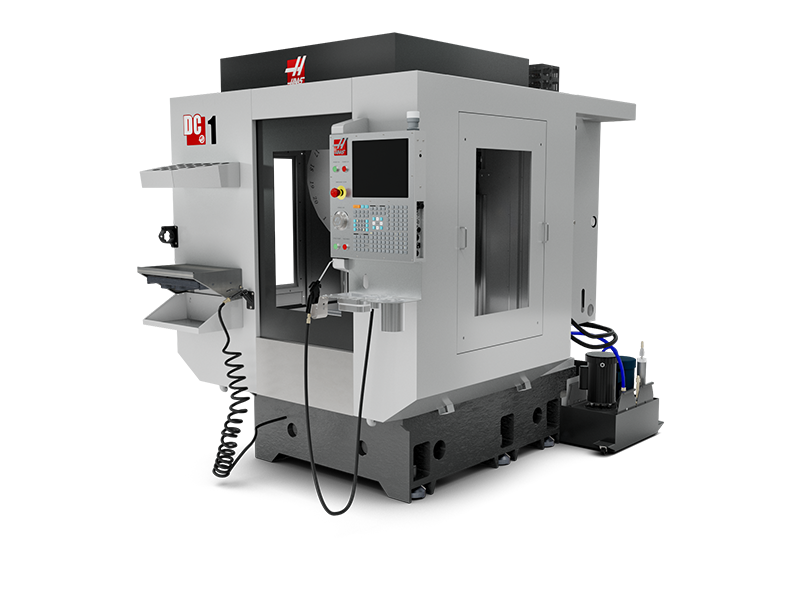
HAAS - DC1/40 Drill Center
VIEW MACHINE -
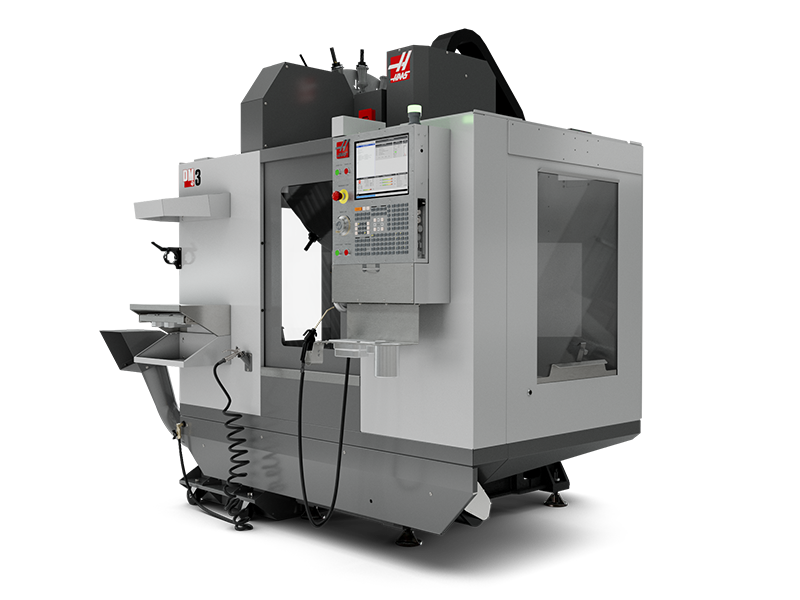
HAAS - DM3
VIEW MACHINE -
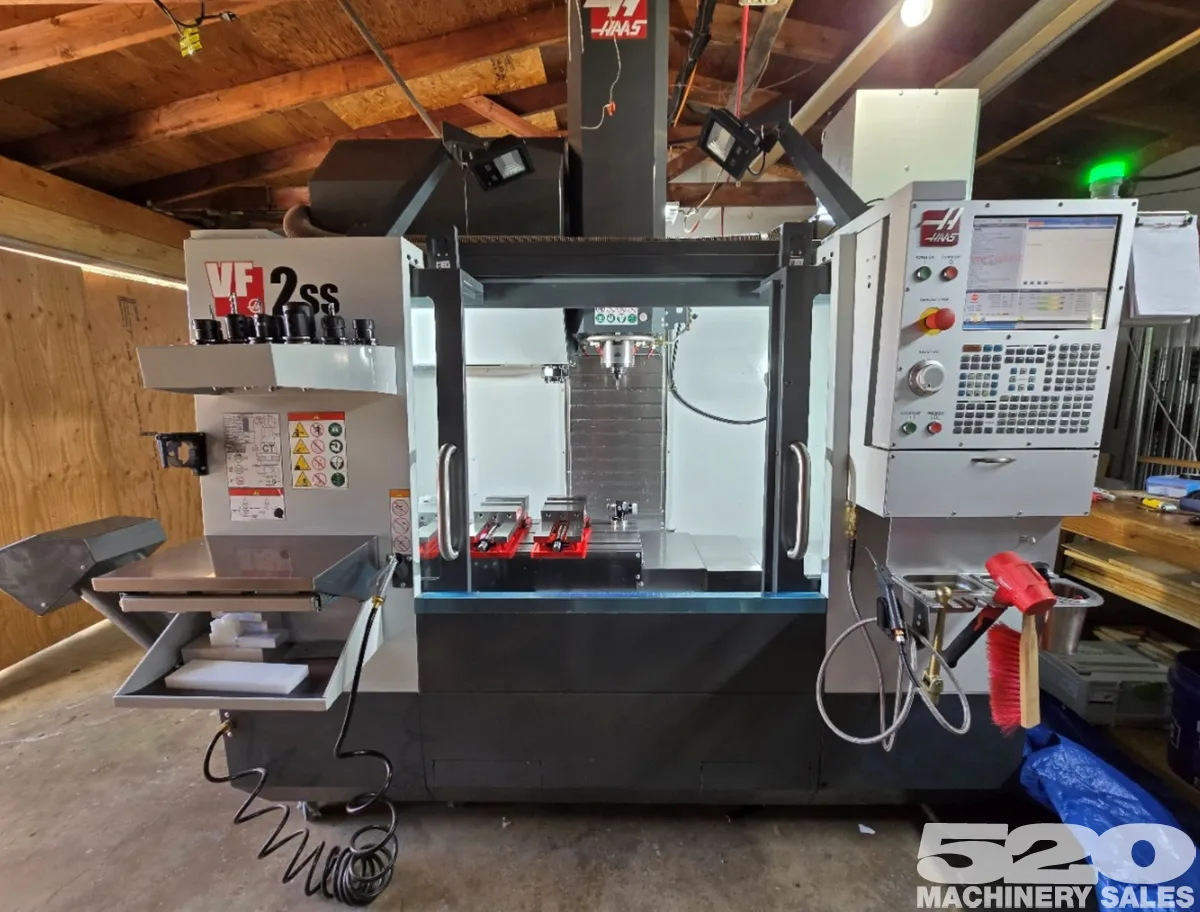
HAAS - VF2SS
VIEW MACHINE -
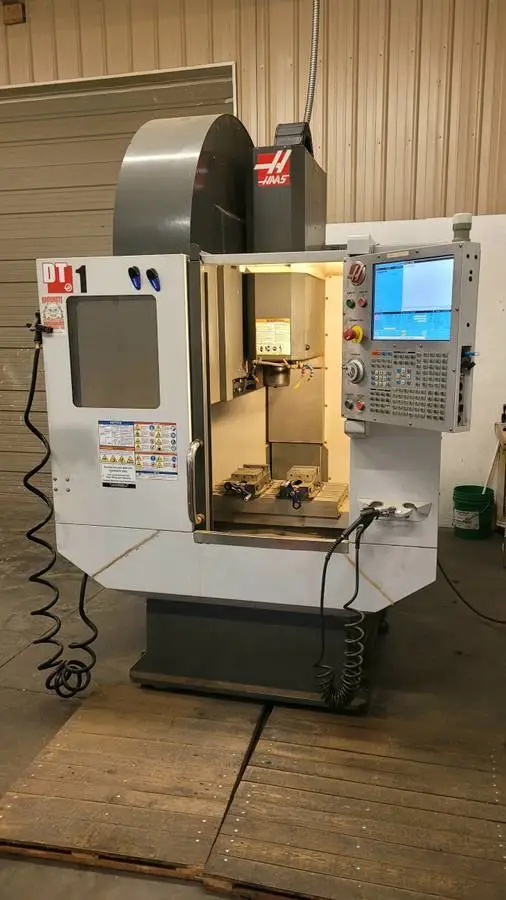
HAAS - DT1
VIEW MACHINE