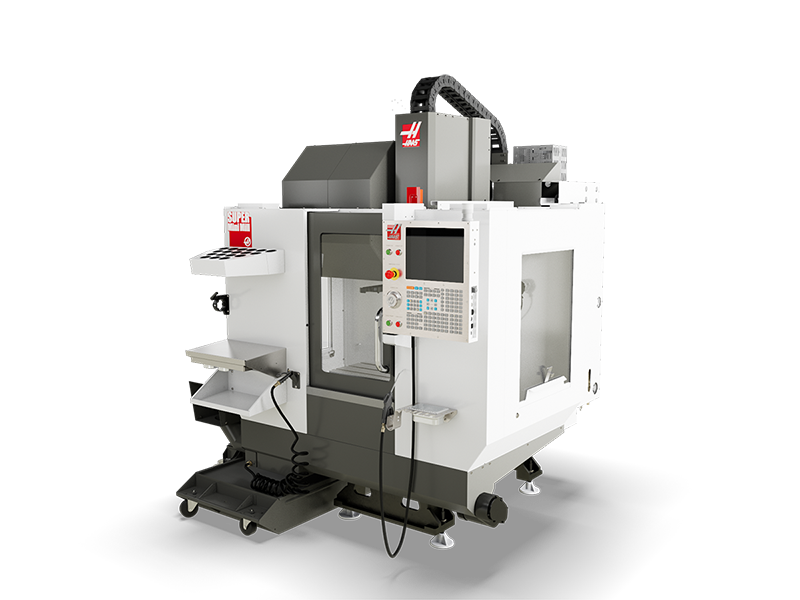
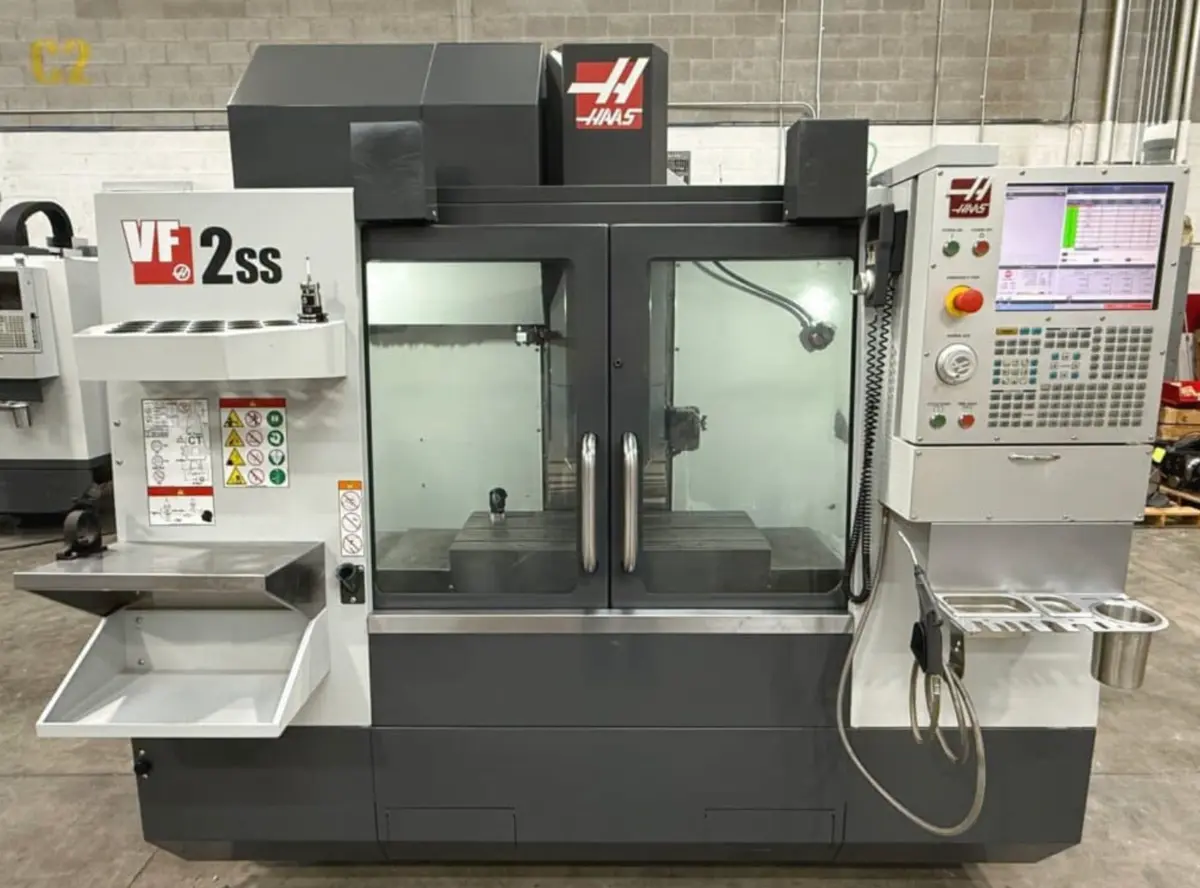
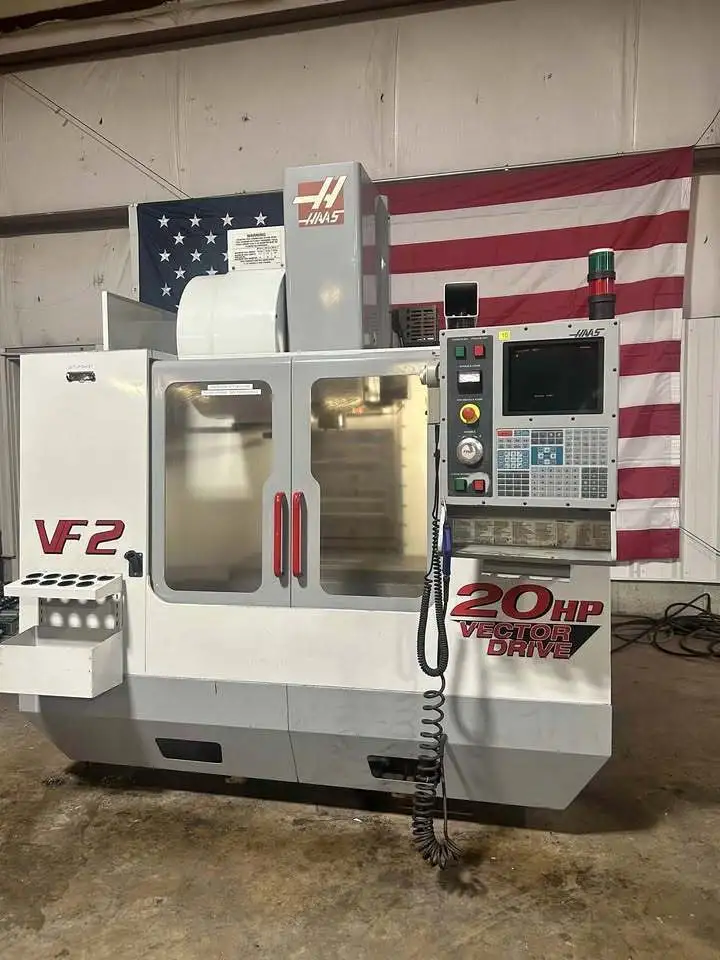
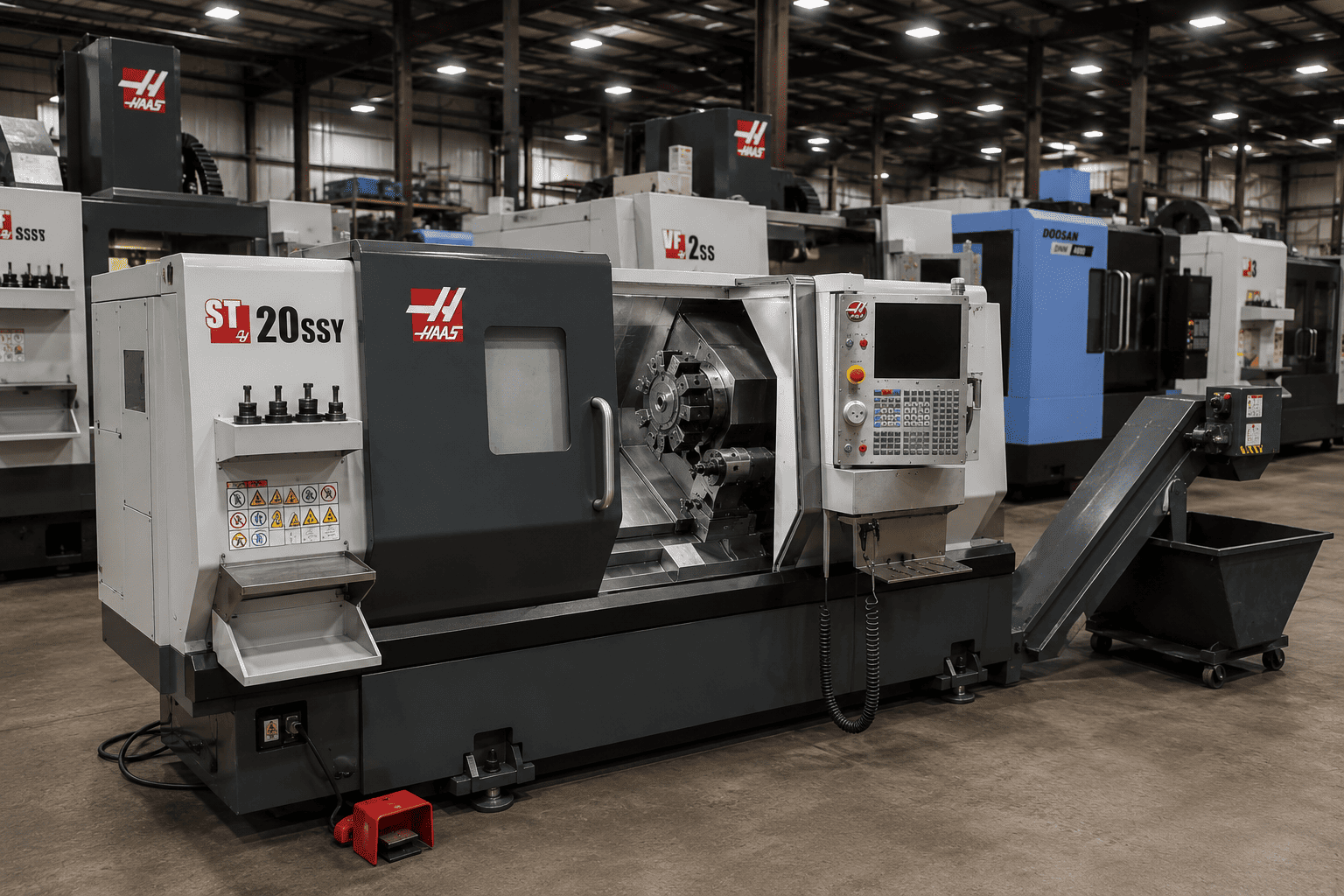
The used Haas Mini Mill EDU is a compact vertical machining center built primarily for training, classroom instruction, and entry-level CNC learning, but it can also be useful for light prototyping, fixture work, soft-material machining, and low-volume part production. The EDU version is based on the Mini Mill platform but is positioned more as an educational machine, making it attractive for technical schools, colleges, workforce training programs, and shop environments that want a compact machine for operator development. Its smaller footprint helps it fit into classrooms, labs, and training spaces where a full-size machining center would be harder to install.
A used Mini Mill EDU generally offers enough travel and spindle capability for demonstrating common CNC operations such as facing, drilling, pocketing, contouring, interpolation, and tapping on smaller workpieces. It is well suited for aluminum, plastics, wax, composites, and other light-duty applications, although some machines are also used for limited steel work depending on tooling, setup, and program demands. The machine is often valued less for raw production speed and more for accessibility, ease of learning, and practical exposure to industrial CNC controls.
When evaluating a used Mini Mill EDU, buyers should focus on control condition, spindle health, axis movement, tool changer reliability if equipped, and overall maintenance history. Since education machines can sometimes have lower cutting time but higher operator contact, it is important to inspect cosmetic wear separately from true mechanical condition. A clean, well-maintained used Mini Mill EDU can be a very useful machine for training programs and light shop work.
HAAS MINI MILL EDUSPECIFICATIONS
HAAS MINI MILL EDU – AXIS TRAVELS
X-Axis Travel: 16 in
Y-Axis Travel: 12 in
Z-Axis Travel: 10 in
Compact Work Envelope for Training and Small-Part Work
Suitable for 3-Axis Milling Instruction
Small Footprint Vertical Machining Center Layout
HAAS MINI MILL EDU – SPINDLE
Spindle Taper: CT40 / 40 Taper
Typical Spindle Speed: 4,000 to 6,000 rpm depending on configuration
Suitable for Basic Milling, Drilling, and Tapping Demonstration
Spindle Performance Varies by Machine Generation
Best Suited for Light-Duty Educational and Prototype Use
HAAS MINI MILL EDU – TOOL CHANGER
Automatic Tool Changer: Configuration May Vary
Common on Some Machines, Optional or Limited on Others
Suitable for Teaching Multi-Tool Machining Concepts
Tool Capacity Depends on Exact Machine Version
Verify Actual Tool Changer Setup Before Purchase
HAAS MINI MILL EDU – FEEDRATES
Feedrate Capability Depends on Machine Generation
Suitable for Instructional Demonstration and Light Part Production
Supports Basic Drilling, Pocketing, and Contouring
Feed Performance Depends on Tooling, Material, and Control Version
Designed More for Learning and Light Work Than High-Volume Output
HAAS MINI MILL EDU – COOLANT & CHIP MANAGEMENT
Flood Coolant Common on Many Machines
Enclosed or Semi-Enclosed Configuration Depending on Version
Chip Handling Designed for Small-Part Machining
Coolant and Washdown Setup May Vary by Machine
Verify Tank, Pump, and Enclosure Condition on Used Units
HAAS MINI MILL EDU – CONTROL SYSTEM
CNC Control: Haas Control
Designed to Provide Real Industrial CNC Learning Experience
Suitable for Teaching Offsets, Setup, and Program Execution
Control Version Varies by Year
Ease of Use is a Major Advantage in Training Environments
HAAS MINI MILL EDU – POWER & AIR REQUIREMENTS
Power Requirement: 3 Phase
Electrical Needs Vary by Machine Year and Configuration
Intended Use: CNC Training, Learning, and Light Machining
Platform: Mini Mill Style Configuration
Suitable for Small Parts and Demonstration Work
Common in Schools, Labs, and Training Programs
Also Useful for Prototyping and Light Secondary Shop Work
INDUSTRIES THAT USE HAAS MINI MILL EDU
Technical Education
Workforce Development Programs
Training Centers
Prototype Shops
Light Manufacturing
Research and Lab Environments
TYPICAL PARTS HAAS MINI MILL EDU CAN PRODUCE
Training Parts
Small Fixture Components
Prototype Brackets
Educational Demonstration Pieces
Plastic and Aluminum Sample Parts
Light-Duty Lab Components
WHY CHOOSE HAAS MINI MILL EDU
Good Entry-Level CNC Learning Platform
Compact Footprint for Labs and Schools
Familiar Haas Control for Real-World Training
Useful for Light Prototyping and Fixture Work
Lower Used Cost Than Full-Size VMCs
Strong Fit for Education and Skill Development
WHY BUY USED HAAS MINI MILL EDU
Buying a used Haas Mini Mill EDU can be a very practical decision for schools, training centers, startup shops, and small manufacturers that want affordable CNC capability in a compact package. One of the biggest advantages is cost control. Educational budgets and early-stage shop budgets are often limited, so purchasing used equipment can make it possible to add hands-on CNC training or basic machining capability without the cost of a new machine. This can free up budget for tooling, workholding, CAM software, and instructor or operator development.
Another major reason to buy used is familiarity. Haas controls are widely recognized in North American manufacturing, so a Mini Mill EDU can provide useful real-world exposure to industrial CNC operation. Students and new operators can learn setup, offsets, tool changes, program loading, and basic milling strategy on a machine that resembles what many shops use in actual production settings. That makes the machine more valuable than a purely academic training platform.
For small shops, a used Mini Mill EDU can also serve as a secondary machine for light-duty jobs, prototype work, engraving, fixture components, and overflow production. The best used machines are usually those with lower actual cutting time, healthy spindle performance, and solid maintenance history. Because many education machines are used by many different operators, it is important to inspect axis backlash, switches, enclosure condition, and control responsiveness rather than judging the machine only by appearance.
HOW MUCH DOES A USED HAAS MINI MILL EDUCOST?
The price of a used Haas Mini Mill EDU depends on machine age, spindle condition, control generation, tooling package, installed options, and actual cutting time. In many cases, the EDU version is priced according to its overall Mini Mill platform value, but educational use can influence condition in different ways. Some machines show low real cutting time because they were used mainly for demonstration and training, while others may have cosmetic wear from frequent student interaction. That is why cutting time and maintenance history are often more important than appearance alone.
For machines made before 2000, pricing is usually limited and condition varies heavily because control age and electronics can affect practical usability. A rough working-market range is often around $8,000 to $15,000 if the machine is complete and operational, though value can fall lower if repairs are needed. For machines made from 2000 to 2010, used prices often fall around $12,000 to $25,000, with cleaner examples and lower cutting time bringing stronger interest.
For machines made from 2010 to 2025, a more typical range is around $20,000 to $45,000, with especially clean late-model examples, updated controls, and very low cutting time moving higher. Machines with higher cutting time, spindle wear, maintenance gaps, or missing educational accessories tend to sell lower. As a rule, buyers should prioritize spindle condition, tool changer function if equipped, and axis smoothness over cosmetic condition because those factors matter most for both training reliability and light production use.