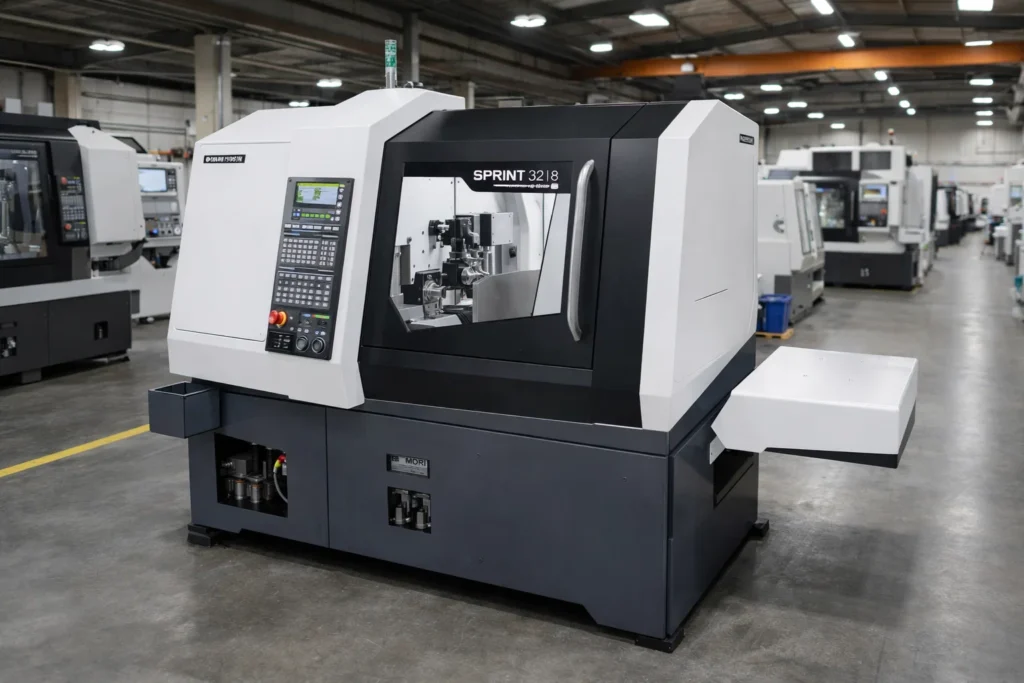
DMG MORI SPRINT 32|8
USED DMG MORI SPRINT 32|8
The DMG MORI SPRINT 32|8 is a high-end, compact multi-axis production turning center designed for complex, high-volume machining of bar-fed components up to 32 mm diameter. It is an expanded configuration of the SPRINT 32 platform, offering significantly higher flexibility and tool capacity compared to the 32|5 version, making it suitable for demanding precision manufacturing environments.
The machine supports workpieces up to 32 mm in diameter and approximately 240–600 mm in length depending on configuration, making it ideal for shafts, connectors, and complex turned parts requiring multiple machining operations. Its extremely compact footprint of around 2.8 m² allows high production density in automated manufacturing cells, which is a major advantage in modern factory layouts.
A key feature of the SPRINT 32|8 is its 6 linear axes plus 2 C-axes configuration, enabling synchronized multi-tool machining across both main and counter spindles. This allows turning, drilling, milling, and cross-machining operations to be performed simultaneously in a single setup, significantly reducing cycle times and eliminating secondary operations.
The machine typically includes a main spindle and counter spindle with high-speed motor spindle technology, offering strong performance for both roughing and finishing operations. Driven tools are integrated into multiple tool carriers, allowing complex operations such as deep-hole drilling and multi-side machining without repositioning the part.
Tool capacity is significantly expanded compared to lower models, with up to 28 tool stations and multiple driven tool positions, enabling high flexibility for complex part geometries. This makes it especially suitable for industries requiring high-mix, high-precision production.
The SPRINT 32|8 is fully designed for automation integration, supporting bar feeders and robotic unloading systems for unattended production. The FANUC-based dual-channel control system ensures synchronized operation of multiple axes and tools for optimized cycle efficiency.
Thermal stability, rigidity, and vibration damping are ensured through a compact, FEM-optimized machine structure, making it reliable for long production runs with tight tolerances.
Overall, the SPRINT 32|8 is a high-productivity, multi-axis automatic turning system built for complex part manufacturing, ultra-fast cycle times, and fully automated production environments.
DMG MORI SPRINT 32|8 SPECIFICATIONS
| DMG MORI SPRINT 32|8 – AXIS |
|---|
| 8 Linear Axes |
| X1, Y1, Z1 (Main Spindle Axes) |
| X2, Z2 (Counter Spindle Axes) |
| C1, C2 (Spindle Indexing) |
| Dual Channel Control |
| DMG MORI SPRINT 32|8 – AXIS TRAVELS |
|---|
| X1-Axis Travel: 70 mm |
| Y1-Axis Travel: 405 mm |
| Z1-Axis Travel: 240 mm |
| X2-Axis Travel: 70 mm |
| Z2-Axis Travel: 240 mm |
| DMG MORI SPRINT 32|8 – CAPACITY |
|---|
| Maximum Turning Diameter: 32 mm |
| Maximum Turning Length: 240 mm |
| Bar Capacity: 32 mm (up to ~38 mm optional) |
| Suitable for complex small precision parts |
| DMG MORI SPRINT 32|8 – SPINDLE |
|---|
| Main Spindle Speed: up to 8,500 rpm |
| Counter Spindle Speed: up to 8,500 rpm |
| Main Spindle Power: approx. 5.5 kW |
| Counter Spindle Power: approx. 2.2 kW |
| Integrated motor spindles |
| DMG MORI SPRINT 32|8 – TABLE / WORKHOLDING |
|---|
| Bar feeder compatible |
| Automatic part transfer (main → counter spindle) |
| Automatic unloading system |
| Supports continuous production |
| DMG MORI SPRINT 32|8 – TOOL SYSTEM |
|---|
| Total Tool Stations: up to 28 |
| Driven Tool Stations: up to 8 |
| Driven Tool Speed: up to 6,000 rpm |
| Simultaneous front & back machining |
| DMG MORI SPRINT 32|8 – FEEDRATES |
|---|
| High-speed feedrates for mass production |
| Dual-channel simultaneous machining |
| Optimized for reduced cycle time |
| DMG MORI SPRINT 32|8 – COOLANT & CHIP MANAGEMENT |
|---|
| Vertical design for gravity chip flow |
| Efficient chip evacuation |
| Ideal for long production runs |
| DMG MORI SPRINT 32|8 – CONTROL SYSTEM |
|---|
| Control System: Fanuc 32i-B Plus |
| Dual-channel CNC control |
| Tool monitoring (optional) |
| Conversational programming support |
| DMG MORI SPRINT 32|8 – POWER & AIR REQUIREMENTS |
|---|
| Power Requirement: approx. 25–35 kVA |
| Air Supply: approx. 5–6 bar |
| DMG MORI SPRINT 32|8 – DIMENSIONS |
|---|
| Compact footprint (< 3 m²) |
| Space-efficient production setup |
| DMG MORI SPRINT 32|8 – GENERAL INFORMATION |
|---|
| Machine Type: Automatic CNC Turning Center |
| 8-axis multi-tasking configuration |
| Designed for high-complexity small parts |
| High rigidity and thermal stability |
| INDUSTRIES THAT USE DMG MORI SPRINT 32|8 |
|---|
| Automotive |
| Medical |
| Electronics |
| Aerospace |
| TYPICAL PARTS DMG MORI SPRINT 32|8 CAN PRODUCE |
|---|
| Precision shafts |
| Medical components |
| Connectors |
| Complex turned-milled parts |
| WHY CHOOSE DMG MORI SPRINT 32|8 |
|---|
| More Axes = Higher Complexity Handling |
| Simultaneous Dual-Spindle Machining |
| Ideal for High-Volume Production |
| Excellent Flexibility for Small Parts |
WHY BUY USED DMG MORI SPRINT 32|8
Buying a used DMG MORI SPRINT 32|8 is a strong choice for manufacturers focused on high-complexity, high-volume production of small to medium precision components. Since it is designed for continuous automated machining, it retains strong productivity value even in used condition when properly maintained.
The main advantage is maximum machining capability in a very compact footprint. Even in used condition, the SPRINT 32|8 can perform multiple operations simultaneously across different axes, significantly reducing cycle times compared to conventional CNC lathes or even lower SPRINT configurations.
Cutting time is the most critical evaluation factor. These machines are typically used in 24/7 automated production environments, meaning usage hours can accumulate quickly. Machines with lower cutting time (under 20,000–25,000 hours) generally offer better long-term reliability. Units under 10,000–15,000 hours are especially valuable because spindle synchronization accuracy, turret wear, and axis backlash remain close to factory condition.
Another major advantage is high automation readiness built into the machine design. The SPRINT 32|8 is optimized for bar feeding and robotic unloading, making it ideal for lights-out manufacturing without requiring major additional investment.
Additionally, DMG MORI’s global support network ensures long-term availability of spare parts and service support. Many used machines can also be upgraded with modern CNC controls or automation enhancements, extending operational life significantly.
While it is not intended for large or heavy-duty machining, it excels in precision, repeatability, and high-speed production of complex small components.
In summary, a used SPRINT 32|8 delivers excellent value through extreme productivity density, multi-axis capability, and automation integration, making it ideal for advanced mass production environments.
HOW MUCH DOES A USED DMG MORI SPRINT 32|8 COST?
The cost of a used DMG MORI SPRINT 32|8 depends on manufacturing year, configuration complexity, automation level, condition, and most importantly, total cutting time.
For machines manufactured before 2000, comparable advanced automatic turning centers typically range from $35,000 to $80,000, depending on condition and retrofit level. These older systems generally lack modern multi-axis synchronization, high-speed driven tooling systems, and full automation integration.
Machines produced between 2000 and 2010 typically fall within the $80,000 to $160,000 range. These units offer improved CNC systems, better spindle performance, and more stable production capability. Machines with lower cutting time (under 20,000–25,000 hours) are priced toward the higher end due to better mechanical condition.
For SPRINT 32|8 machines from 2010–2025, used prices typically range from $160,000 to $350,000+, depending on turret configuration, driven tooling options, and automation systems such as bar feeders or robotic unloading units. Fully equipped production cells sit at the upper end of this range.
Cutting time plays a major role in valuation. Since these machines operate in continuous high-speed production environments, wear can occur in spindles, guideways, and tool systems. Machines with low cutting time (under 10,000–15,000 hours) are considered premium due to higher accuracy retention and lower maintenance risk.
Buyers should always evaluate maintenance logs, spindle vibration levels, axis backlash, and automation system performance rather than relying solely on age or appearance.
Overall, the cost of a used SPRINT 32|8 is determined by configuration, automation level, and usage history, with cutting time being the most important factor in determining true market value and long-term production reliability.
Related Products
-
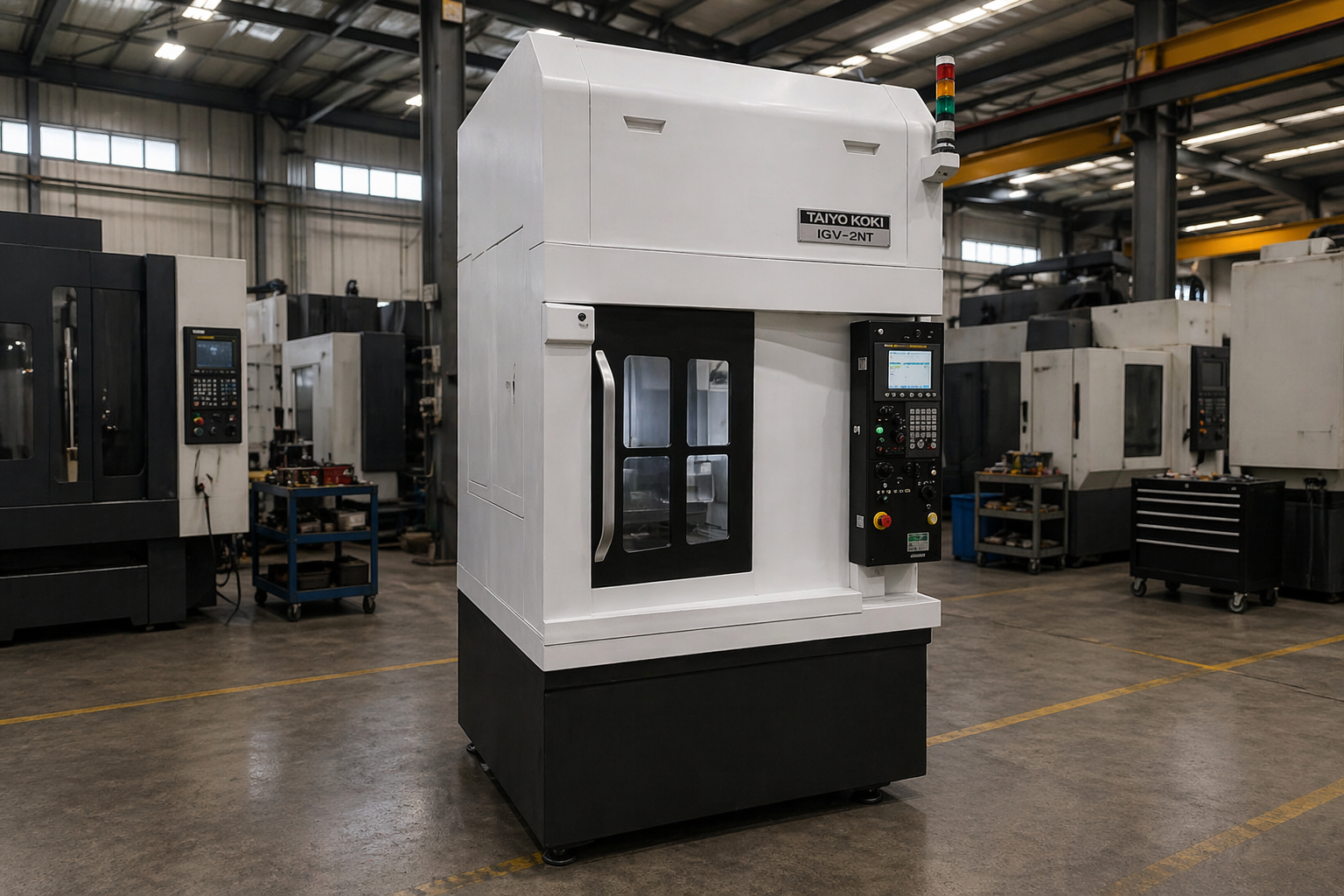
DMG MORI - EGV-3N
VIEW MACHINE -
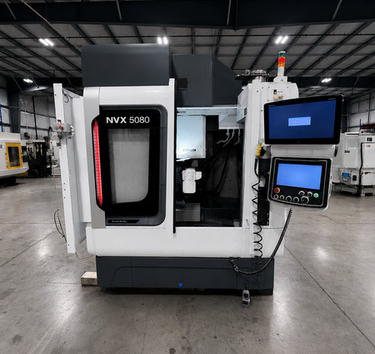
DMG MORI - NVX 5080 II
VIEW MACHINE -
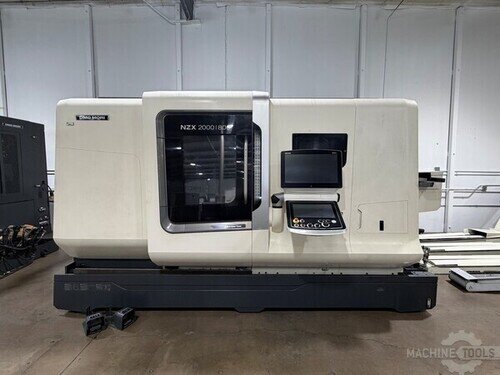
DMG MORI - NZX2000/800SY
VIEW MACHINE -
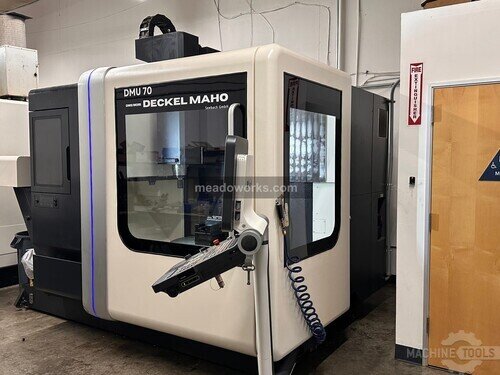
DMG MORI - DMU70
VIEW MACHINE