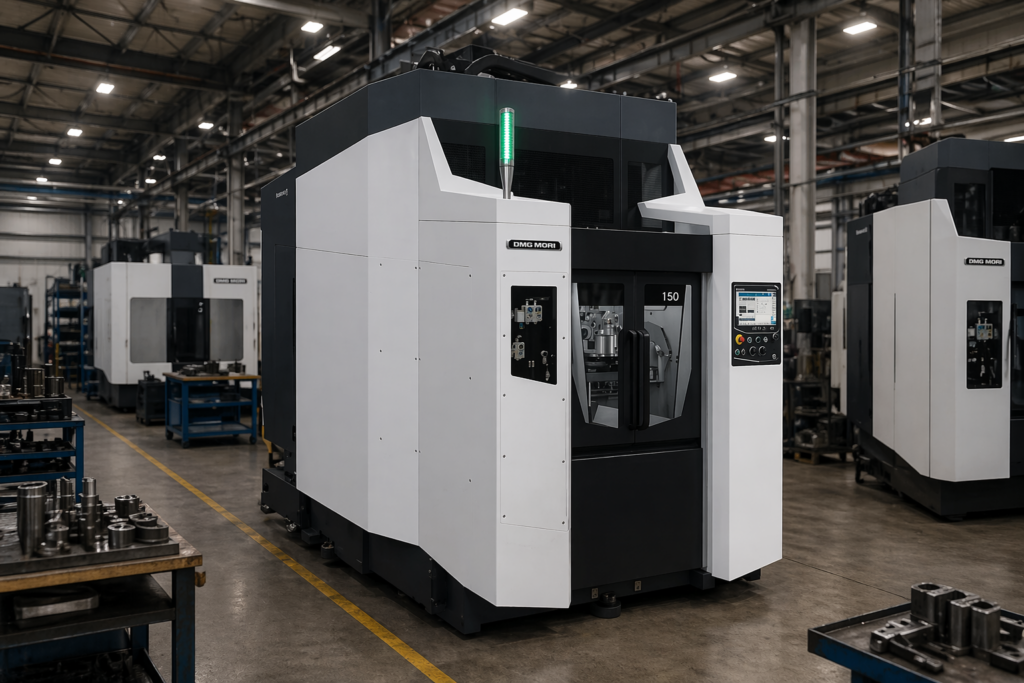
USED DMG MORI i50
The DMG MORI i 50 is a compact horizontal machining center developed primarily for high-efficiency production with a focus on cost-effectiveness, speed, and space optimization. Positioned as part of DMG MORI’s entry-to-mid-level horizontal machining lineup, the i 50 is designed around a 500 mm class pallet system, making it suitable for medium-sized components used in automotive, general engineering, and precision manufacturing industries. The machine typically offers axis travels in the range of 700–800 mm, allowing it to handle a wide variety of parts while maintaining a relatively compact footprint.
A key aspect of the i 50 is its simplified yet robust design philosophy. While it does not incorporate the full range of advanced technologies seen in higher-end NHX or DCG models, it still delivers reliable machining performance with solid structural rigidity and stable cutting characteristics. The machine is engineered to provide consistent accuracy and repeatability, making it ideal for batch production and general-purpose machining.
In terms of cutting time, the i 50 is optimized for efficiency through balanced spindle performance and rapid axis movements. Although it may not reach the extreme speeds of high-end NHX 4th Generation machines, it still achieves competitive cycle times for most industrial applications. Its simplified automation compatibility, including pallet changers and basic integration options, helps reduce idle time and improve productivity.
Machines produced after 2010 typically feature improved CNC controls, better spindle efficiency, and enhanced user interfaces, contributing to shorter cutting times and easier operation. Earlier machines may have slightly longer cycle times due to older control systems and lower spindle speeds, but they still remain reliable for standard machining tasks. Overall, the DMG MORI i 50 is a practical, production-oriented machining center designed to deliver dependable performance at a lower entry cost.
DMG MORI i50 SPECIFICATIONS
| DMG MORI i 50 – AXIS |
|---|
| X-Axis (Longitudinal) |
| Y-Axis (Vertical) |
| Z-Axis (Cross) |
| DMG MORI i 50 – AXIS TRAVELS |
|---|
| X-Axis Travel: ~500 mm |
| Y-Axis Travel: ~550 mm |
| Z-Axis Travel: ~500 mm |
| DMG MORI i 50 – CAPACITY |
|---|
| Maximum Workpiece Diameter: ~620 mm |
| Maximum Workpiece Height: ~700 mm |
| Maximum Workpiece Weight: ~400 kg |
| DMG MORI i 50 – SPINDLE |
|---|
| Spindle Type: High-speed production spindle |
| Spindle Speed: High-speed configuration for mass production |
| Spindle Power: Optimized for automotive components |
| Spindle Design: Spindle moves on all three axes (X/Y/Z) |
| DMG MORI i 50 – TABLE |
|---|
| Table Type: Fixed / palletized production setup |
| Pallet System: Multi-pallet automation compatible |
| Table Load Capacity: Integrated for production parts |
| Workholding: Designed for cylinder head & block machining |
| DMG MORI i 50 – TOOL TURRET |
|---|
| Tool Magazine Capacity: Multi-tool system (production optimized) |
| Tool Type: Automatic Tool Changer (ATC) |
| Tool System: Designed for high-cycle production |
| Tool Handling: Supports automated tool management |
| DMG MORI i 50 – FEEDRATES |
|---|
| Rapid Traverse (X/Y/Z): ~62 m/min |
| Cutting Feedrate: Optimized for high-volume machining |
| Acceleration: Up to ~1G (Z-axis) |
| DMG MORI i 50 – COOLANT & CHIP MANAGEMENT |
|---|
| Coolant System: High-efficiency coolant system |
| Coolant Capacity: Designed for continuous production |
| Chip Conveyor: Integrated chip removal system |
| Chip Management: Optimized for automated lines |
| DMG MORI i 50 – CONTROL SYSTEM |
|---|
| Control System: MAPPS (Fanuc-based) |
| User Interface: Production-oriented interface |
| Features: Tool monitoring, automation integration, diagnostics |
| DMG MORI i 50 – POWER & AIR REQUIREMENTS |
|---|
| Power Supply: Industrial power (production setup dependent) |
| Compressed Air: ~6 bar |
| Air Consumption: Moderate (automation dependent) |
| DMG MORI i 50 – DIMENSIONS |
|---|
| Machine Footprint: ~1,680 x 3,962 mm |
| Machine Height: ~3,380 mm |
| Machine Weight: ~10,000–13,000 kg (approx.) |
| DMG MORI i 50 – GENERAL INFORMATION |
|---|
| Machine Type: Horizontal Machining Center (HMC) |
| Series: i-Series (mass production line machines) |
| Application: Cylinder heads & engine blocks machining |
| Design: Compact, high-speed, production-line optimized |
| INDUSTRIES THAT USE DMG MORI i 50 |
|---|
| Automotive |
| EV Manufacturing |
| Engine Component Manufacturing |
| Mass Production Engineering |
| TYPICAL PARTS DMG MORI i 50 CAN PRODUCE |
|---|
| Cylinder Heads |
| Engine Blocks |
| Automotive Housings |
| High-volume Precision Components |
| WHY CHOOSE DMG MORI i 50 |
|---|
| Designed specifically for mass production lines |
| High-speed machining with 62 m/min rapid traverse |
| Compact footprint ideal for line setups |
| Excellent automation and pallet integration |
| Optimized for automotive component manufacturing |
WHY BUY USED DMG MORI i50
Buying a used DMG MORI i 50 is a practical decision for manufacturers seeking a reliable horizontal machining center without the premium cost associated with high-end models. One of the main advantages is affordability. Compared to advanced NHX or DCG series machines, the i 50 is designed to be more cost-effective while still delivering solid machining performance, making it an attractive option for small to mid-sized manufacturers.
Another benefit is simplicity and ease of operation. The i 50’s design focuses on essential machining capabilities rather than highly complex automation or advanced digital systems. This makes it easier to operate, maintain, and integrate into existing production setups. For many workshops, this simplicity translates into lower maintenance costs and reduced downtime.
Machines comparable to pre-2000 horizontals generally have longer cutting times due to slower spindle speeds and outdated CNC systems. These machines are best suited for basic machining or low-volume production. Models from 2000 to 2010 offer improved controls and more efficient cutting performance, making them a balanced option for businesses looking for cost-effective productivity.
Used i 50 machines manufactured after 2010 are particularly valuable because they include modern control systems, improved spindle efficiency, and better overall performance. These upgrades help reduce cutting times and improve consistency, allowing the machine to remain competitive in modern production environments.
From a cutting-time perspective, the i 50 delivers efficient performance for general machining tasks. While it may not match the ultra-fast cycle times of premium models, a well-maintained unit with lower spindle hours can still achieve reliable and consistent output. Combined with DMG MORI’s support network and availability of spare parts, it becomes a dependable long-term investment for manufacturers focused on cost efficiency.
HOW MUCH DOES A USED DMG MORI i50 COST?
The cost of a used DMG MORI i 50 varies depending on factors such as year of manufacture, machine condition, spindle hours, and level of automation. As a more cost-effective horizontal machining center, it generally falls into a lower price range compared to high-end NHX or DCG models.
Machines comparable to pre-2000 horizontal machining centers typically range from $20,000 to $60,000. These machines often have longer cutting times due to slower spindle speeds and less advanced CNC systems. While they may still be structurally reliable, they are best suited for basic machining tasks or secondary operations where cycle time is not critical.
Models manufactured between 2000 and 2010 usually fall within the range of $60,000 to $130,000. These machines offer improved control systems, better tooling integration, and more efficient cutting performance. Their cutting times are significantly reduced compared to older machines, making them a popular choice for small to medium-sized manufacturers.
For i 50 machines produced between 2010 and 2025, prices generally range from $120,000 to $220,000 or more, depending on configuration and condition. These newer models benefit from improved CNC technology, better spindle efficiency, and enhanced automation compatibility, all of which contribute to shorter cycle times and higher productivity.
Cutting time is a key factor influencing value. Machines with lower spindle hours and strong maintenance histories typically deliver faster and more consistent machining, which justifies higher pricing. Additional features such as pallet changers, tool capacity upgrades, and automation integration can further increase cost but also enhance productivity.
Ultimately, the right investment depends on production requirements, budget, and the desired balance between initial cost and long-term operational efficiency.
Related Products
-
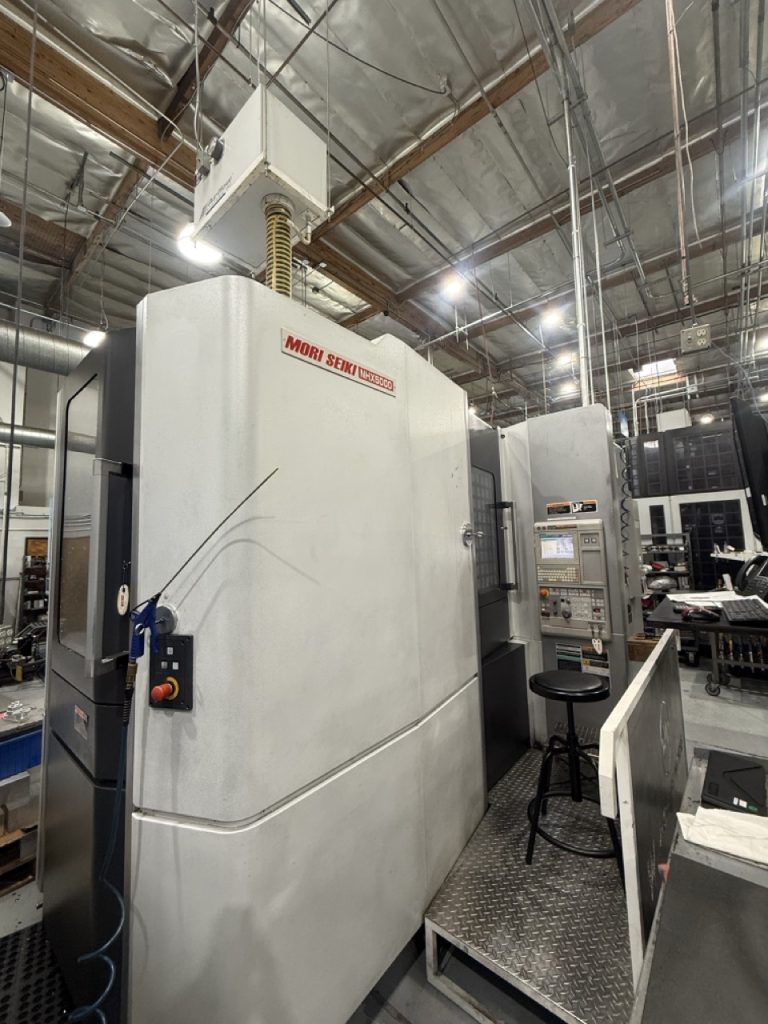
DMG MORI - NHX 5000
VIEW MACHINE -
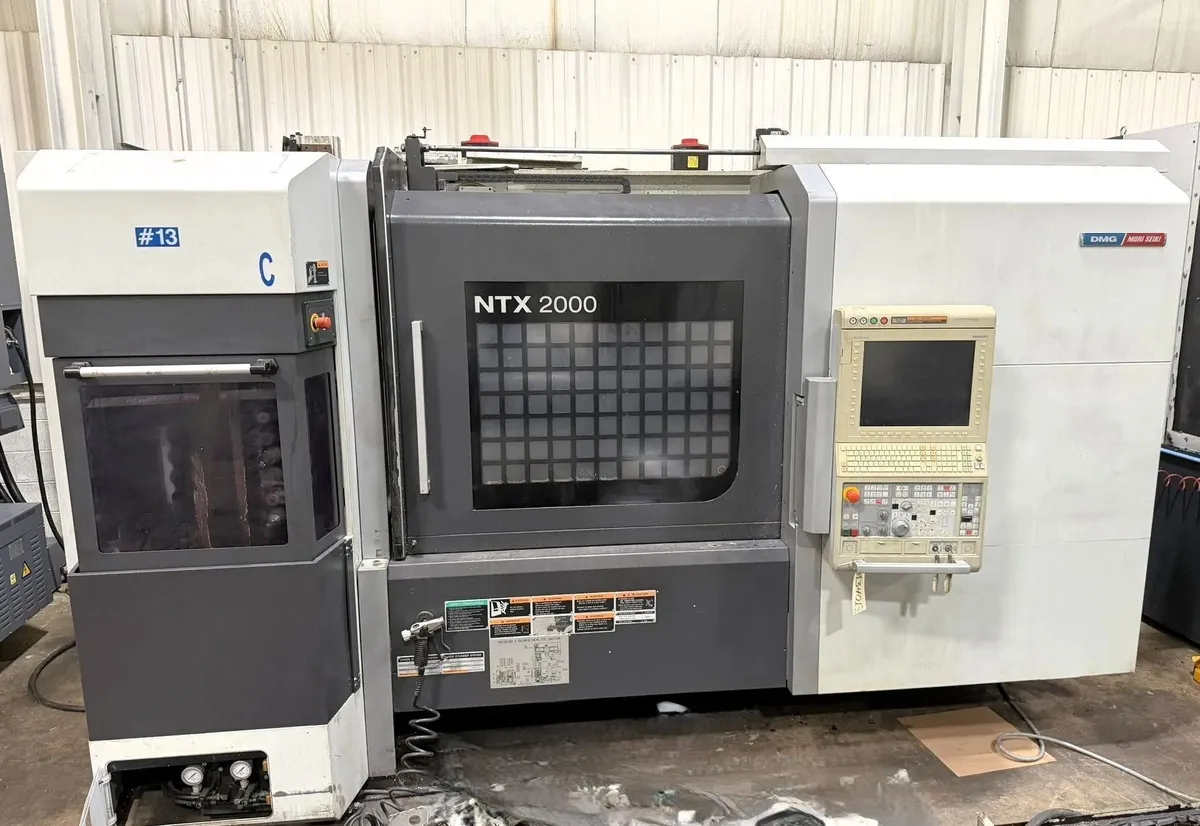
DMG MORI - NTX 2000/1500SZM
VIEW MACHINE -
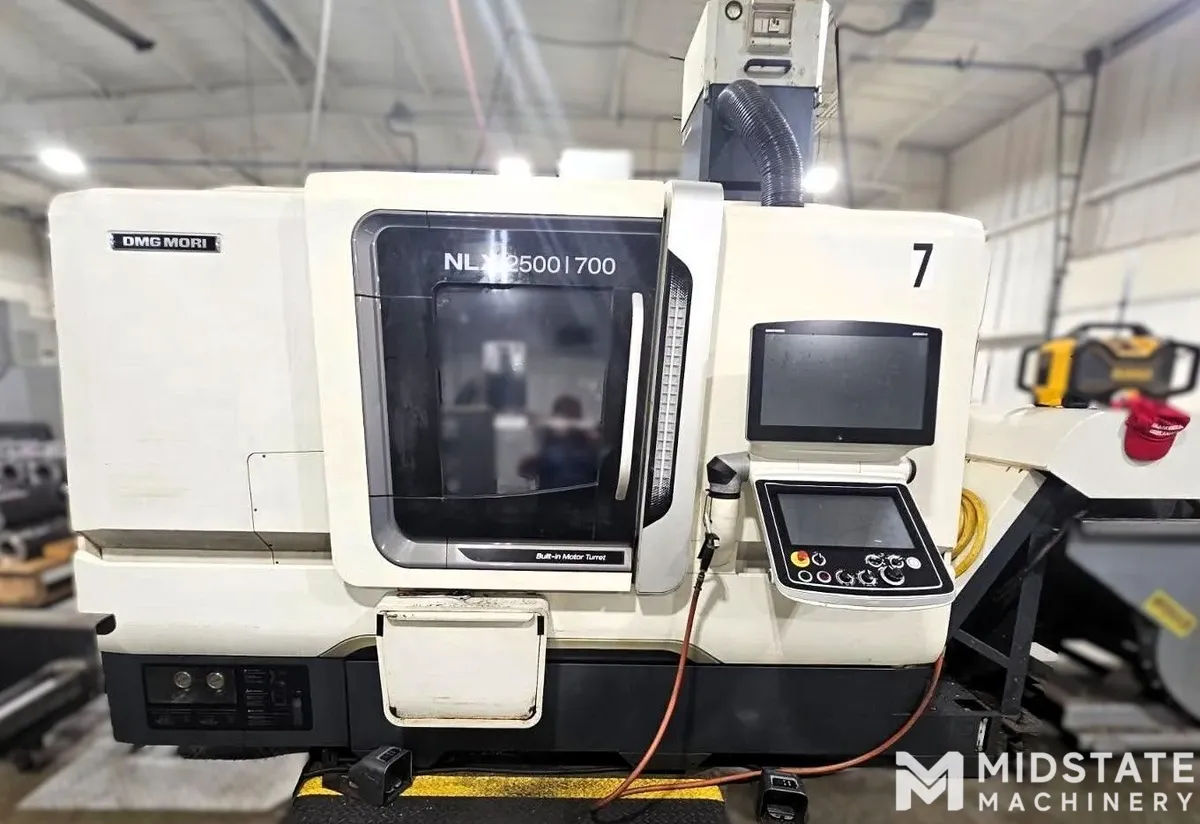
DMG MORI - NLX 2500SY
VIEW MACHINE -
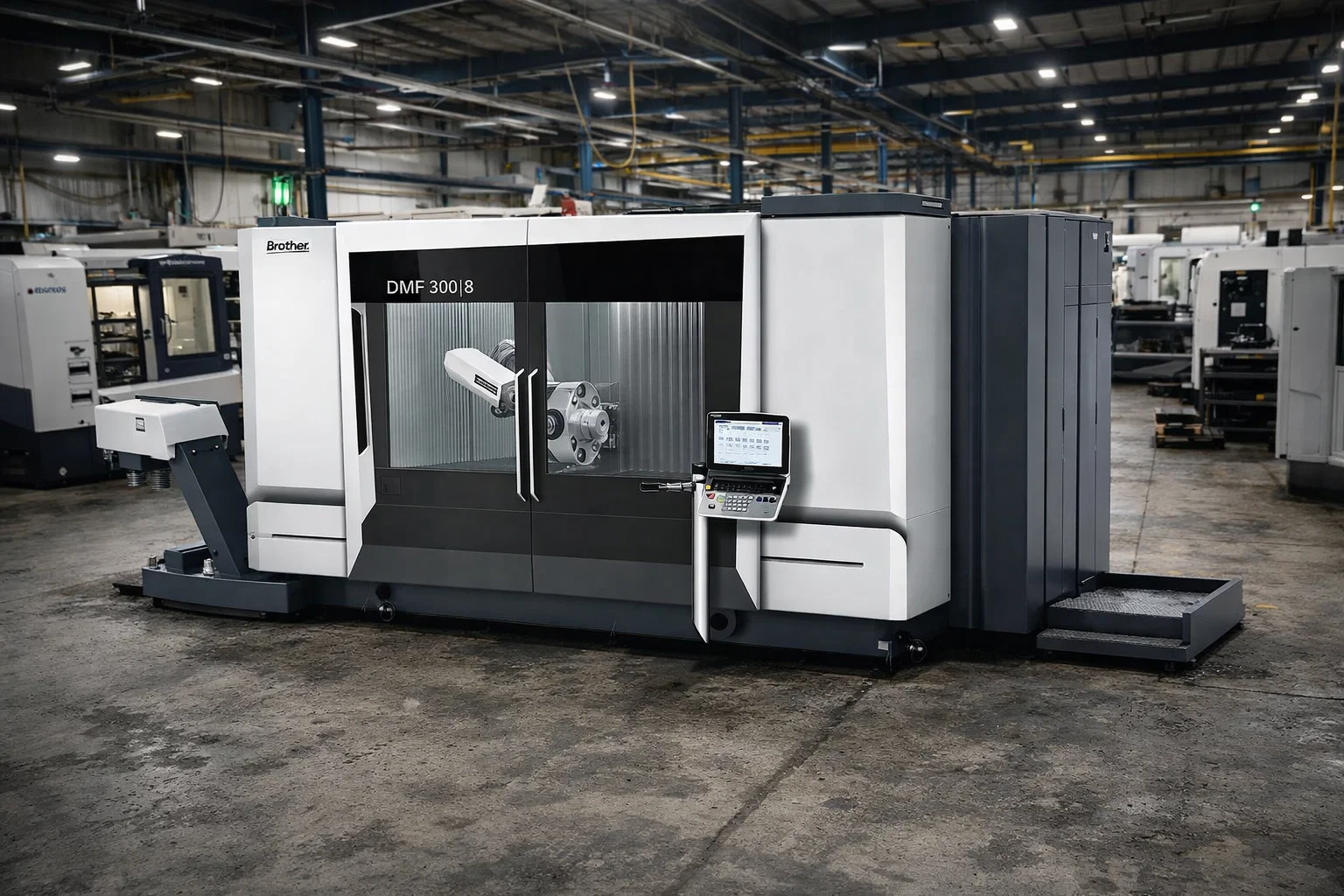
DMG MORI - DMF 300|8 (FD, linear)
VIEW MACHINE