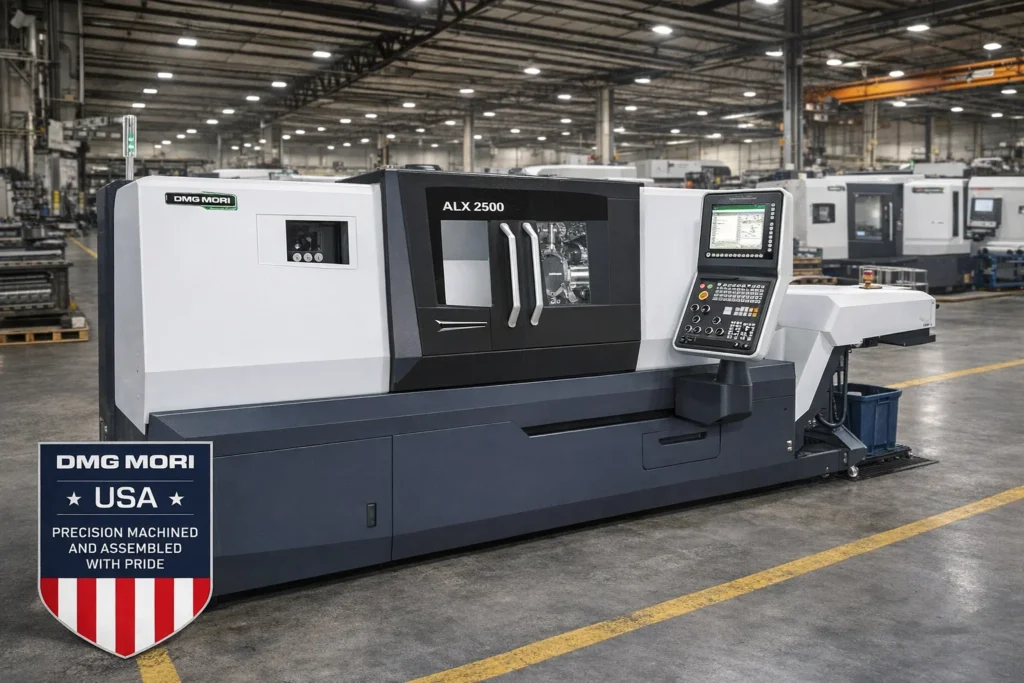
USED DMG MORI ALX 2500
The DMG MORI ALX 2500 is a high-rigidity, production-focused turning center designed as a flexible automation-ready base machine for medium-sized components. It is part of the ALX series, which was developed to provide a cost-efficient, stable, and highly adaptable platform for mass production environments across automotive, general engineering, and component manufacturing industries.
The machine supports a maximum workpiece diameter of approximately 460 mm and a turning length of around 500–575 mm, depending on configuration, with a bar capacity of up to 80 mm. This makes it suitable for larger shaft-type parts, flanges, and medium-heavy rotational components. The ALX 2500 is typically built on a 10-inch chuck platform, allowing it to handle more robust workpieces compared to the ALX 1500 and ALX 2000 models.
A key feature of the ALX 2500 is its hybrid guideway design, where the X-axis uses slideways for higher damping and rigidity, while the Y- and Z-axes use linear guideways for faster acceleration and improved positioning accuracy. This combination ensures stability during heavy cutting while maintaining cycle time efficiency. The machine uses DMG MORI’s turnMASTER built-in motor spindle, designed for high torque and long-term durability in continuous production.
Rapid traverse rates of up to 30 m/min help reduce non-cutting time, improving overall productivity in repetitive manufacturing environments. Depending on configuration, the ALX 2500 can include Y-axis machining, driven tools, and optional twin-spindle setups, enabling full-process machining in a single setup.
The machine is also designed for automation integration, supporting bar feeders, gantry loaders, and robotic systems for unattended production. Control systems such as MAPPS and Mitsubishi/FANUC ensure reliable programming, monitoring, and production flexibility.
Overall, the ALX 2500 is a balanced production turning solution for medium-duty manufacturing, offering rigidity, automation readiness, and efficient cycle times for industrial production environments.
DMG MORI ALX 2500 SPECIFICATIONS
| DMG MORI ALX 2500 – AXIS |
|---|
| X-Axis (Radial Movement) |
| Z-Axis (Longitudinal Movement) |
| Optional C-Axis (Spindle Indexing) |
| Optional Y-Axis (for milling operations) |
| DMG MORI ALX 2500 – AXIS TRAVELS |
|---|
| X-Axis Travel: approx. 300 mm |
| Z-Axis Travel: approx. 2,500 mm |
| Y-Axis Travel (optional): approx. ±50 mm |
| C-Axis Rotation: 360° |
| DMG MORI ALX 2500 – CAPACITY |
|---|
| Maximum Turning Diameter: approx. 450 mm |
| Maximum Turning Length: approx. 2,500 mm |
| Bar Capacity: approx. 75 mm |
| Suitable for extra-long shaft components |
| DMG MORI ALX 2500 – SPINDLE |
|---|
| Main Spindle Speed: up to 3,000 rpm |
| Spindle Bore: approx. 90 mm |
| High torque spindle |
| Optional sub-spindle |
| DMG MORI ALX 2500 – TABLE / WORKHOLDING |
|---|
| Hydraulic chuck system |
| Tailstock for long part support |
| Bar feeder compatibility |
| Optional steady rest |
| DMG MORI ALX 2500 – TOOL TURRET |
|---|
| 12-station turret |
| VDI / BMT tooling options |
| Optional live tooling |
| Fast indexing capability |
| DMG MORI ALX 2500 – FEEDRATES |
|---|
| Rapid Traverse (X/Z): approx. 20–24 m/min |
| Smooth axis movement |
| DMG MORI ALX 2500 – COOLANT & CHIP MANAGEMENT |
|---|
| Flood coolant system |
| Optional high-pressure coolant |
| Chip conveyor (optional) |
| Efficient chip evacuation for long parts |
| DMG MORI ALX 2500 – CONTROL SYSTEM |
|---|
| Control System: Siemens / Fanuc |
| User-friendly CNC interface |
| Supports turning and milling operations |
| DMG MORI ALX 2500 – POWER & AIR REQUIREMENTS |
|---|
| Power Requirement: approx. 35–50 kVA |
| Air Supply: approx. 5–6 bar |
| DMG MORI ALX 2500 – DIMENSIONS |
|---|
| Machine Length: approx. 4,800–5,500 mm |
| Machine Width: approx. 2,000 mm |
| Machine Height: approx. 2,100 mm |
| Machine Weight: approx. 9,000–11,000 kg |
| DMG MORI ALX 2500 – GENERAL INFORMATION |
|---|
| Machine Type: CNC Turning Center |
| Designed for heavy-duty long part machining |
| High rigidity construction |
| Supports automation and bar feeding |
| INDUSTRIES THAT USE DMG MORI ALX 2500 |
|---|
| Automotive |
| Oil & Gas |
| Aerospace |
| Heavy Equipment Manufacturing |
| TYPICAL PARTS DMG MORI ALX 2500 CAN PRODUCE |
|---|
| Long shafts |
| Heavy-duty rods |
| Hydraulic cylinders |
| Drive shafts |
| WHY CHOOSE DMG MORI ALX 2500 |
|---|
| Ideal for Extra-Long and Heavy Components |
| High Torque and Stability |
| Flexible Machining with Live Tooling |
| Reliable for Large-Scale Production |
WHY BUY USED DMG MORI ALX 2500
Buying a used DMG MORI ALX 2500 is a practical decision for manufacturers who need higher-capacity CNC turning without investing in premium multi-turret systems. It sits in the middle of the ALX lineup, offering a strong balance between rigidity, productivity, and affordability.
The main advantage is higher part capacity with controlled investment cost. Compared to smaller ALX models, the ALX 2500 can handle larger diameters and heavier components, making it suitable for more demanding production jobs while still remaining cost-efficient in the used market.
Cutting time is a key evaluation factor. These machines are typically used in steady industrial production environments, so usage hours vary widely. Machines with lower cutting time (under 20,000–25,000 hours) generally offer better long-term reliability. Units under 10,000–15,000 hours are particularly valuable because spindle wear, guideway clearance, and turret accuracy tend to remain close to original condition.
Another advantage is scalability in production systems. The ALX 2500 can be used as a standalone machine or integrated into automated cells with bar feeders or robotic loading systems. This makes it ideal for manufacturers expanding production capacity gradually.
Additionally, DMG MORI machines benefit from strong global support, ensuring availability of spare parts and service even for older models. Many used ALX 2500 machines can also be upgraded with newer control systems or automation interfaces, extending their operational life.
While it does not match high-end multi-turret machines like NZX or SPRINT series in cycle time, the ALX 2500 offers stable, repeatable performance for general production tasks with larger components.
In summary, a used ALX 2500 provides a strong balance of cost, capability, and reliability, making it suitable for medium-duty CNC production environments.
HOW MUCH DOES A USED DMG MORI ALX 2500 COST?
The cost of a used DMG MORI ALX 2500 depends on several factors, including manufacturing year, configuration (turning-only, Y-axis, twin spindle), condition, and most importantly, total cutting time.
For machines manufactured before 2000, comparable CNC turning centers typically range from $35,000 to $80,000, depending on condition and retrofit level. These older machines generally lack modern control systems, high-speed drives, and automation integration.
Machines produced between 2000 and 2010 usually fall within the $80,000 to $160,000 range. These models offer improved rigidity, better spindle performance, and more advanced CNC controls, but still lack the efficiency of modern ALX platforms. Units with lower cutting time (under 20,000–25,000 hours) are priced toward the higher end.
For ALX 2500 machines from 2010–2025, used prices typically range from $160,000 to $320,000+, depending on configuration, tooling setup, and automation systems such as bar feeders or robotic loading cells. Fully equipped versions with Y-axis or twin-spindle options command higher prices.
Cutting time plays a major role in valuation. Since these machines are often used in continuous production, wear can develop in spindle bearings, turret indexing systems, and slideways. Machines with low cutting time (under 10,000–15,000 hours) are considered premium due to higher accuracy retention and longer remaining service life.
Buyers should always evaluate maintenance records, spindle vibration levels, and axis backlash instead of relying solely on machine age.
Overall, the cost of a used ALX 2500 is determined by configuration, condition, and usage history, with cutting time being the most important factor in determining true market value and long-term reliability.
Related Products
-
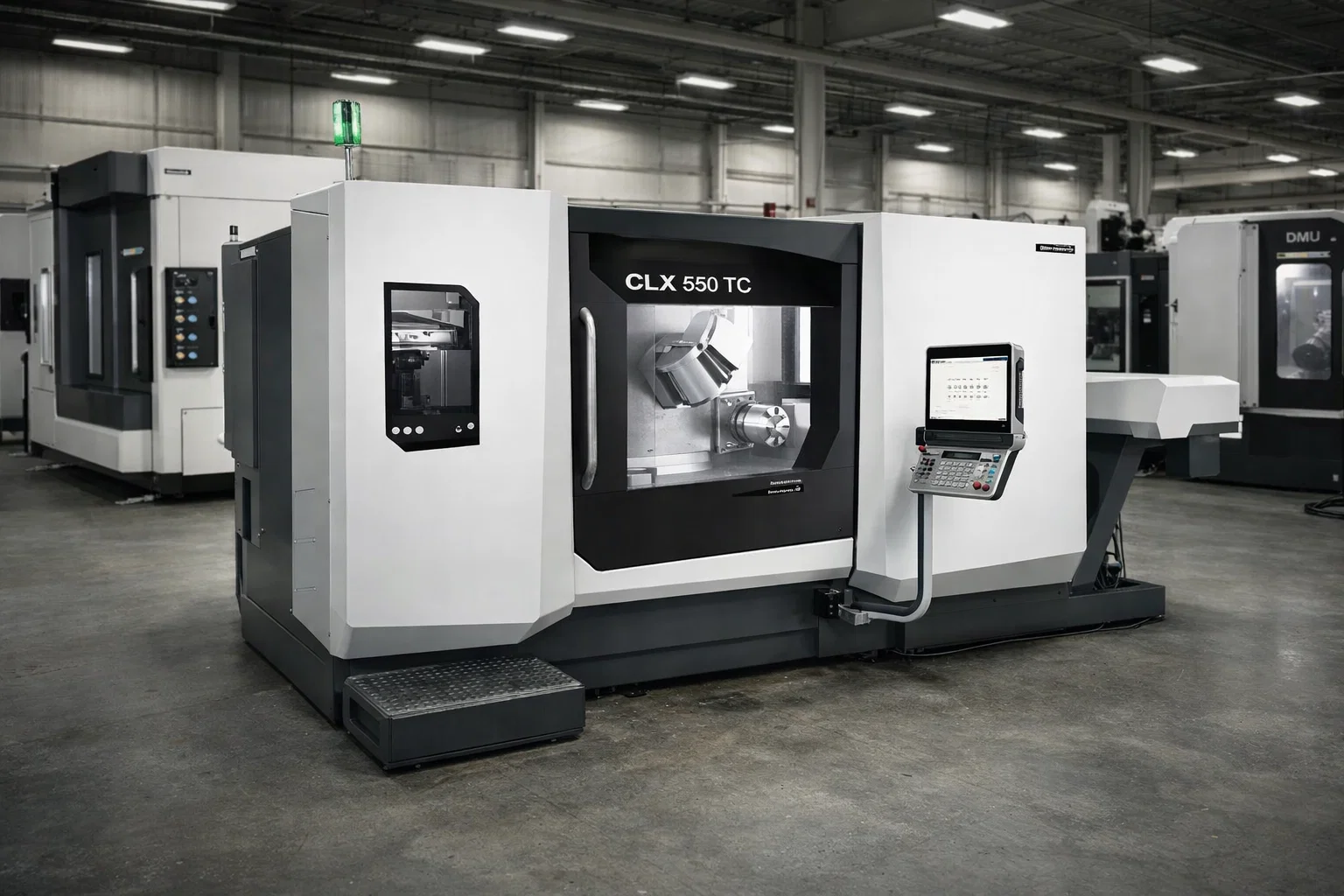
DMG MORI - CLX550TC
VIEW MACHINE -
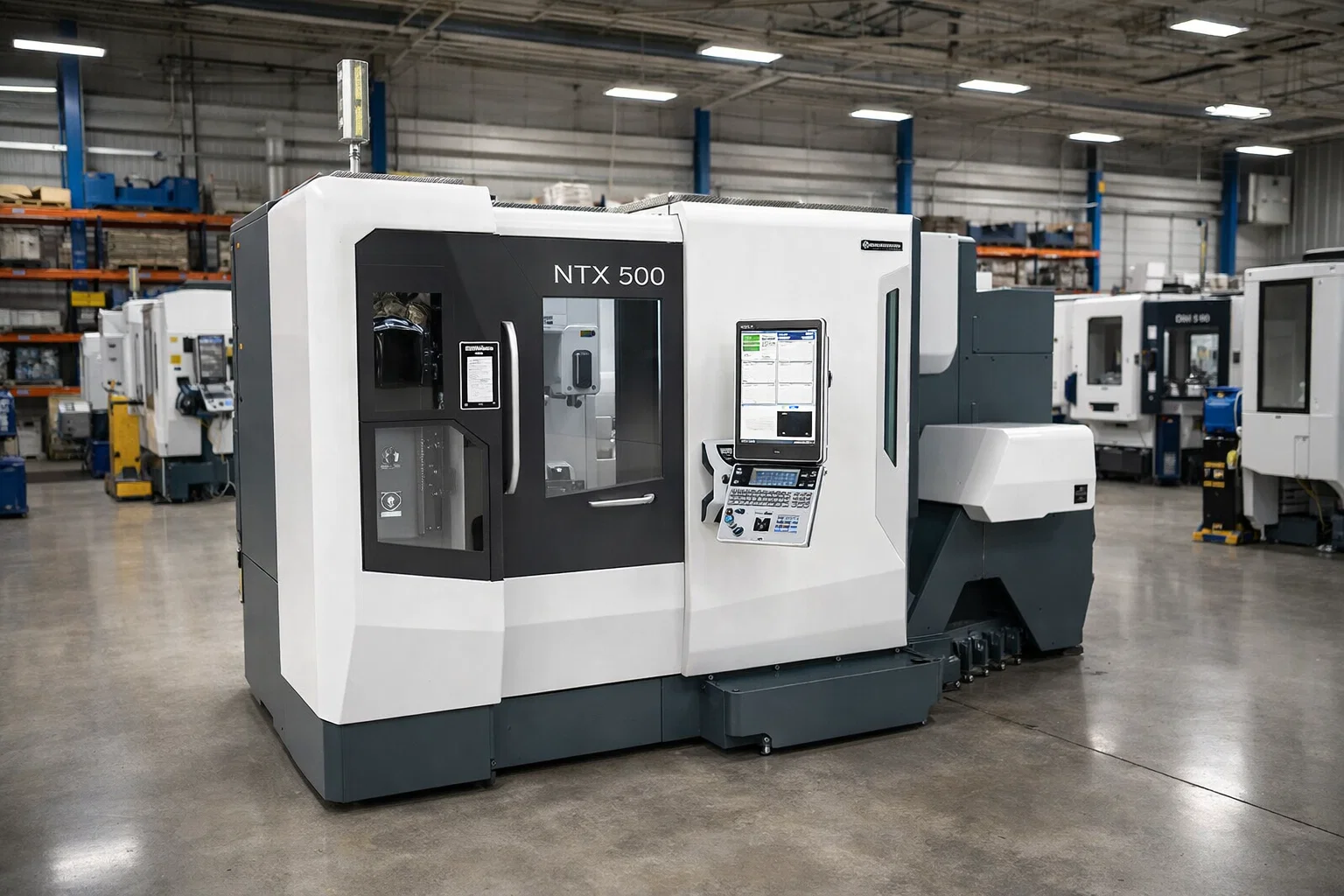
DMG MORI - NTX 500
VIEW MACHINE -
DMG MORI - NHX 4000
VIEW MACHINE -
DMG MORI - i50
VIEW MACHINE