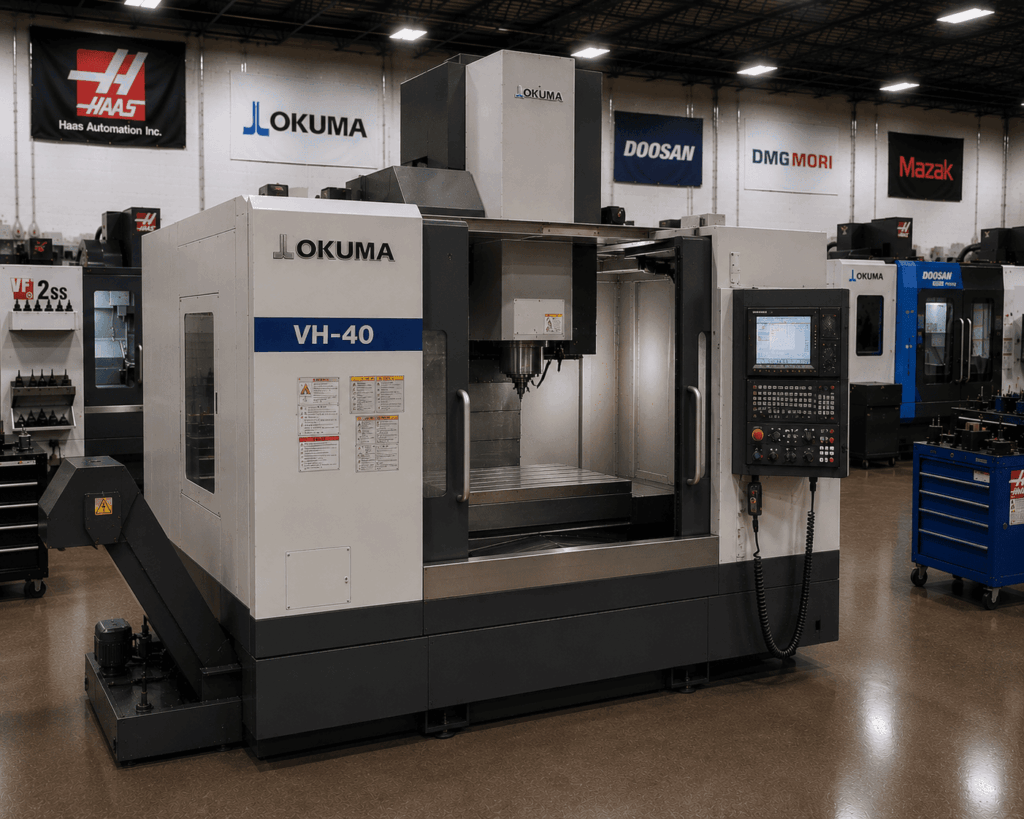
USED OKUMA VH-40 – 1998
The 1998 Okuma VH-40 is a highly capable 5-axis vertical machining center designed for precision machining of complex components requiring multiple-axis interpolation and single-setup production. Manufactured by Okuma Corporation, one of Japan’s most respected CNC machine tool builders, the VH Series was developed to provide exceptional rigidity, precision, and machining flexibility for demanding industries such as aerospace, medical, automotive, mold and die, and precision engineering. The VH-40 combines a rigid vertical machining platform with an integrated rotary table, allowing manufacturers to machine intricate parts with excellent accuracy while significantly reducing setup time and improving productivity.
Built with a heavy-duty cast iron machine structure and precision linear guideways, the Okuma VH-40 delivers excellent thermal stability and vibration resistance during high-speed machining. The machine provides 22.0 inches (560 mm) of X-axis travel, 17.7 inches (450 mm) of Y-axis travel, and 17.2 inches (437 mm) of Z-axis travel. Its integrated rotary table enables simultaneous multi-axis machining for complex geometries and contouring applications. Equipped with an ISO/CAT 40 spindle operating at 8,000 RPM, the VH-40 efficiently machines aluminum, steel, stainless steel, cast iron, titanium, and engineering plastics. The machine is well suited for both prototype work and production environments where precision, repeatability, and flexibility are essential.
The 1998 model is commonly equipped with the Okuma OSP7000M-H CNC Control, a highly reliable control system known for its conversational programming, ISO G-code compatibility, advanced interpolation capabilities, and excellent machining accuracy. A standard 20-tool automatic tool changer supports a wide range of milling, drilling, boring, and tapping operations while minimizing non-cutting time. Standard equipment generally includes rigid tapping, automatic lubrication, flood coolant, spindle orientation, and electronic handwheel. Many machines are also equipped with optional features such as rotary pallet systems, probing systems, chip conveyors, and fourth- or fifth-axis enhancements depending on their original configuration.
The Okuma VH-40 is widely used throughout the aerospace, medical, automotive, electronics, mold and die, and general precision manufacturing industries. Typical applications include aerospace brackets, medical implants, turbine components, molds, fixtures, precision housings, valve bodies, and prototype parts requiring multi-sided machining. Its ability to perform complex machining in fewer setups improves dimensional accuracy while reducing overall production time.
Purchasing a used 1998 Okuma VH-40 provides manufacturers with premium Japanese machining technology at a significantly lower investment than purchasing a new 5-axis machining center. Okuma machines are recognized worldwide for their exceptional build quality, long service life, dependable OSP controls, and strong resale value. A properly maintained VH-40 continues to deliver excellent machining accuracy, productivity, and reliability, making it an outstanding investment for precision machining operations.
OKUMA VH-40 SPECIFICATIONS
Axis
| Specification | Value |
|---|---|
| Machine Type | 5-Axis Vertical Machining Center |
| Controlled Axes | X, Y, Z + Rotary Table |
| X-Axis Travel | 22.0 in (560 mm) |
| Y-Axis Travel | 17.7 in (450 mm) |
| Z-Axis Travel | 17.2 in (437 mm) |
Travels / Work Envelope
| Specification | Value |
|---|---|
| Maximum Workpiece Diameter | Approx. 15.7 in (400 mm) |
| Maximum Workpiece Height | Approx. 13.8 in (350 mm) |
| Rotary Table | Integrated Tilting/Rotary Table |
| Maximum Workpiece Weight | Approx. 440 lbs (200 kg) |
Table
| Specification | Value |
|---|---|
| Table Type | Rotary Tilting Table |
| Table Surface | Precision T-Slot |
| Maximum Table Load | 440 lbs (200 kg) |
Spindle
| Specification | Value |
|---|---|
| Spindle Taper | ISO 40 / CAT 40 |
| Maximum Spindle Speed | 8,000 RPM |
| Spindle Motor | 30 HP (22 kW) |
| Drive Type | Belt Drive |
Tool Changer
| Specification | Value |
|---|---|
| Tool Changer Type | Automatic Tool Changer |
| Tool Capacity | 20 Tools |
| Maximum Tool Diameter | 4.9 in (125 mm) |
| Maximum Tool Length | 11.8 in (300 mm) |
| Maximum Tool Weight | 17.6 lbs (8 kg) |
CNC Control
| Specification | Value |
|---|---|
| CNC Control | Okuma OSP7000M-H |
| Programming | Okuma Conversational & ISO G-Code |
| Simultaneous Multi-Axis Machining | Supported |
| Rigid Tapping | Standard |
Coolant / Chip Management
| Specification | Value |
|---|---|
| Coolant System | Flood Coolant |
| Automatic Lubrication | Standard |
| Chip Conveyor | Optional |
| Spindle Air Blast | Standard |
Power Requirements
| Specification | Value |
|---|---|
| Electrical Supply | 220V / 440V, 3-Phase |
| Connected Load | Approx. 35 kVA |
| Pneumatic Supply | 80–100 PSI (5.5–6.9 bar) |
Dimensions
| Specification | Value |
|---|---|
| Machine Footprint | Approx. 80 × 91 × 105 in (2,025 × 2,300 × 2,670 mm) |
| Machine Weight | Approx. 14,990 lbs (6,800 kg) |
General Information
| Specification | Value |
|---|---|
| Manufacturer | Okuma Corporation |
| Model | VH-40 |
| Year | 1998 |
| Machine Category | 5-Axis Vertical Machining Center |
| Materials Machined | Aluminum, Steel, Stainless Steel, Cast Iron, Titanium, Brass, Engineering Plastics |
| Typical Applications | Aerospace Components, Medical Parts, Mold & Die, Fixtures, Precision Housings, Multi-Sided Machining |
HOW MUCH DOES A USED OKUMA VH-40 – 1998 COST?
A used 1998 Okuma VH-40 typically sells for $35,000 to $85,000 USD, depending on machine condition, spindle hours, maintenance history, tooling package, rotary table configuration, and installed options such as probing systems, chip conveyor, or additional rotary capabilities. Machines with documented maintenance records and production-ready tooling generally command higher resale values because they can be placed into production with minimal preparation.
Before purchasing a used Okuma VH-40, buyers should inspect the spindle condition, rotary axis accuracy, guideway wear, ballscrews, automatic tool changer operation, lubrication system, and overall machine geometry. A properly maintained 1998 Okuma VH-40 offers excellent long-term value by combining dependable Japanese engineering, multi-axis machining capability, and reliable OSP control technology, making it an excellent investment for manufacturers producing complex precision components.
OKUMA VH-40 VS OKUMA MB-4000H – WHICH ONE TO BUY?
The Okuma VH-40 and Okuma MB-4000H are high-quality CNC machining centers designed for precision metal cutting, but they serve different manufacturing requirements. The Okuma VH-40 is a horizontal machining center (HMC) optimized for high-volume production and multi-face machining, while the Okuma MB-4000H is a newer-generation horizontal machining center featuring updated spindle technology, improved thermal stability, faster rapid traverse rates, and enhanced CNC control capabilities. Both machines are widely used in the automotive, aerospace, energy, medical, heavy equipment, and precision engineering industries.
The Okuma VH-40 is known for its rigid construction, pallet-changing capability, and excellent chip evacuation. It is particularly well suited for machining transmission housings, valve bodies, hydraulic manifolds, engine components, pump housings, and other complex workpieces that require machining on multiple faces. Its horizontal spindle configuration minimizes chip accumulation and improves machining efficiency during long production runs.
The Okuma MB-4000H builds on these strengths with higher spindle performance, improved axis acceleration, better thermal compensation, and greater compatibility with automation systems. Manufacturers seeking faster cycle times, tighter tolerances, and increased production efficiency often prefer the MB-4000H.
Both machines deliver exceptional reliability and machining accuracy. The Okuma VH-40 remains an excellent choice for manufacturers looking for a dependable and cost-effective horizontal machining center, while the MB-4000H is better suited for facilities requiring newer technology and higher production capacity.
For buyers considering a used CNC machining center, the Okuma VH-40 continues to provide outstanding value, durability, and precision for a wide range of industrial machining applications.
OKUMA VH-40 SPINDLE NOT TURNING – CAUSES AND TROUBLESHOOTING
If the spindle on an Okuma VH-40 does not rotate, the issue may be caused by spindle drive faults, CNC control alarms, electrical failures, lubrication problems, hydraulic faults, automatic tool changer issues, or machine safety interlocks. A systematic troubleshooting process helps identify the root cause quickly while minimizing production downtime.
Begin by checking the CNC control for active alarms. Emergency stop activation, door interlock faults, spindle drive alarms, servo errors, lubrication warnings, hydraulic pressure alarms, thermal overload conditions, pallet changer faults, or automatic tool changer errors can prevent spindle operation. Resolve all active alarms before restarting the spindle.
Inspect the spindle drive system for electrical problems such as loose wiring, damaged encoder cables, faulty spindle amplifiers, blown fuses, spindle motor overload conditions, or overheating. Verify that the spindle lubrication system, hydraulic system, coolant circulation, compressed air supply, and machine power are functioning correctly.
Review the CNC program to ensure proper spindle commands are present. Missing M03 or M04 commands, incorrect spindle speed settings, spindle orientation commands, incomplete tool change cycles, or pallet change interruptions may prevent spindle startup.
If the spindle begins rotating but quickly stops, inspect spindle bearings, tool holders, spindle taper cleanliness, drawbar clamping force, tooling condition, and cutting loads. Excessive vibration, unusual spindle noise, overheating, or poor tool retention may indicate spindle bearing wear or mechanical damage requiring service.
Routine spindle inspections, lubrication maintenance, hydraulic servicing, and preventive maintenance significantly reduce unexpected spindle failures and maximize machine reliability.
OKUMA VH-40 MAINTENANCE AND PREVENTIVE CARE GUIDE
The Okuma VH-40 is designed for continuous production in demanding manufacturing environments. Regular preventive maintenance is essential for maintaining spindle accuracy, machining precision, and long-term machine reliability.
Daily maintenance should include removing chips from the machining enclosure, spindle taper, pallet surfaces, guideway covers, automatic tool changer, and chip conveyor. Operators should inspect coolant levels, coolant concentration, lubrication systems, hydraulic pressure, compressed air supply, spindle condition, and cutting tools before beginning production. Keeping the spindle taper and tool holders clean ensures proper tool seating and machining accuracy.
Weekly maintenance should include inspecting coolant pumps, chip conveyors, centralized lubrication systems, hydraulic units, automatic tool changer operation, pallet changer mechanisms, electrical cabinet filters, spindle cooling systems, and pneumatic components. Remove chips from guideways, pallet stations, and tool magazine areas to prevent contamination and premature wear.
Monthly inspections should focus on spindle runout, tool retention force, pallet alignment, ball screws, linear guideways, spindle bearings, encoder cables, lubrication lines, hydraulic hoses, electrical connections, coolant filtration systems, and machine leveling. Machine geometry and spindle alignment should also be verified periodically.
Additional preventive maintenance includes monitoring spindle vibration, checking axis backlash, replacing worn filters, servicing lubrication equipment, inspecting hydraulic components, and maintaining complete maintenance records. Early identification of wear helps reduce repair costs and avoid unexpected production interruptions.
A comprehensive preventive maintenance program extends spindle life, improves machining accuracy, increases production efficiency, and ensures the Okuma VH-40 continues delivering reliable horizontal machining performance.
FAQ
What is the Okuma VH-40?
The Okuma VH-40 is a horizontal CNC machining center designed for high-precision milling, drilling, boring, tapping, and multi-face machining. It features a rigid machine structure, horizontal spindle, automatic pallet changer, automatic tool changer, and advanced CNC control, allowing manufacturers to machine complex components efficiently with minimal setup time.
The machine is widely used in automotive, aerospace, oil and gas, heavy equipment, medical, power generation, and general manufacturing industries. It is commonly used to machine transmission cases, valve bodies, hydraulic manifolds, engine components, pump housings, gearboxes, and other precision-engineered parts requiring multiple machining operations.
Its excellent chip evacuation, rigid construction, and dependable spindle performance make the Okuma VH-40 a reliable choice for both job shops and high-volume production facilities.
What are the most common problems with the Okuma VH-40?
The most common problems with the Okuma VH-40 include spindle alarms, automatic tool changer faults, pallet changer errors, lubrication system warnings, hydraulic pressure issues, servo drive faults, encoder failures, coolant contamination, spindle orientation faults, drawbar problems, electrical communication errors, and axis positioning issues.
Machines operating continuously may also experience spindle bearing wear, pallet alignment issues, guideway wear, ball screw backlash, thermal expansion, coolant pump failures, and normal mechanical fatigue over time. Poor lubrication, contaminated coolant, worn cutting tools, excessive machining loads, and delayed preventive maintenance can accelerate component wear and reduce machining accuracy.
Routine spindle inspections, lubrication servicing, hydraulic system maintenance, coolant management, machine calibration, electrical inspections, and scheduled preventive maintenance help minimize downtime and ensure the Okuma VH-40 continues to deliver accurate, reliable, and productive machining performance.
Related Products
-
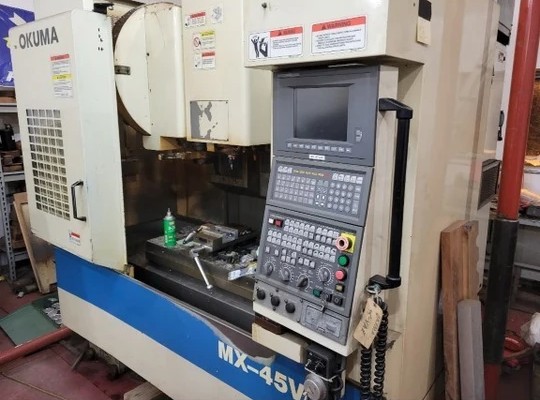
OKUMA - MX45V
VIEW MACHINE -
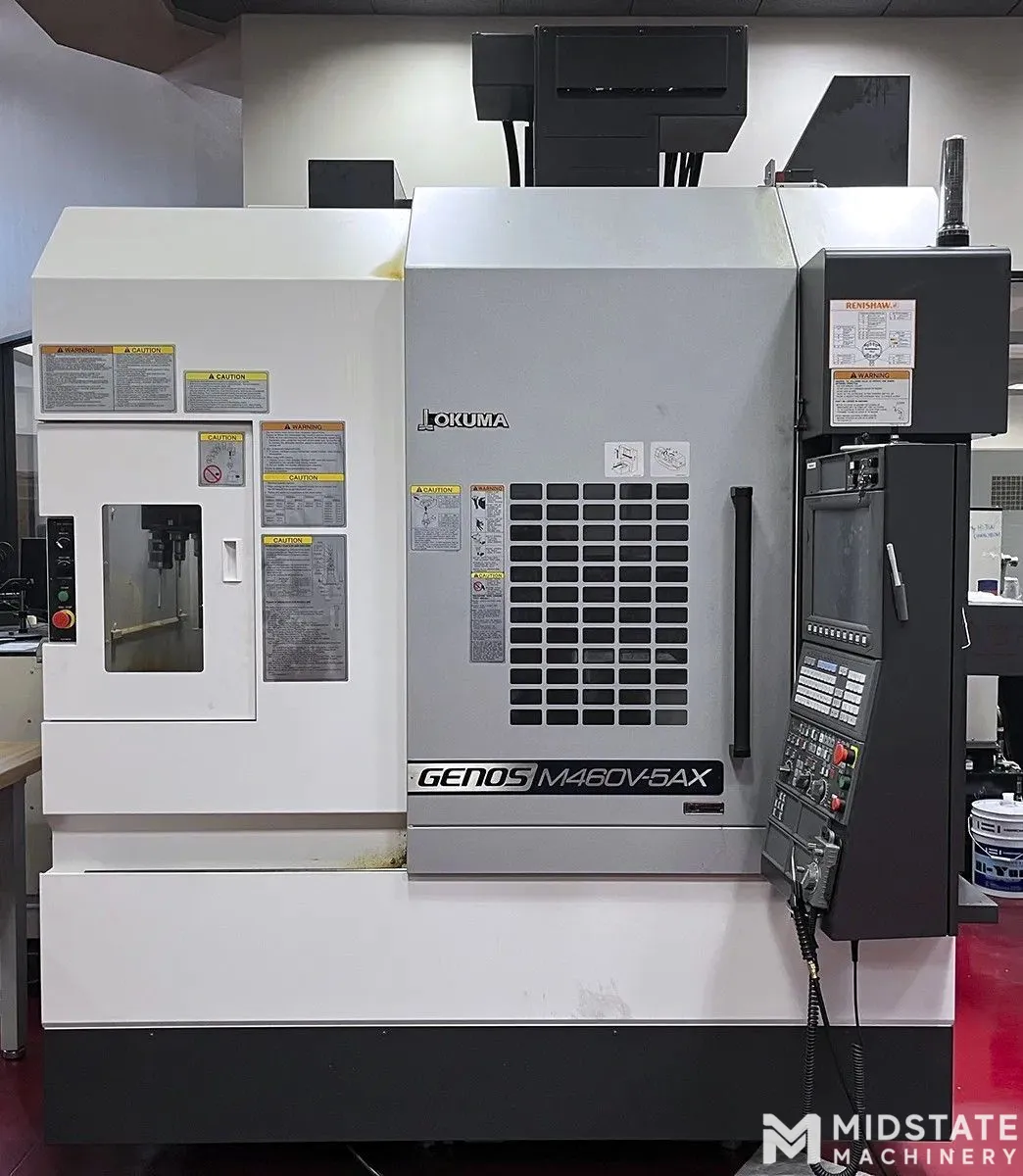
OKUMA - GENOS M460V-5AX
VIEW MACHINE -
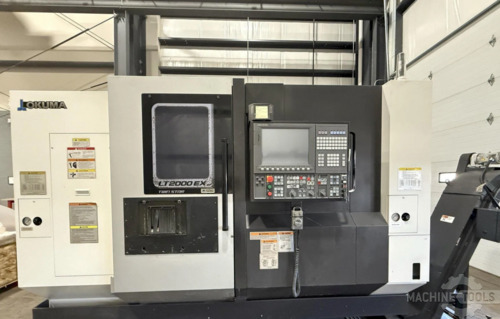
OKUMA - LT2000 EX
VIEW MACHINE -
OKUMA - LU7000 EX
VIEW MACHINE