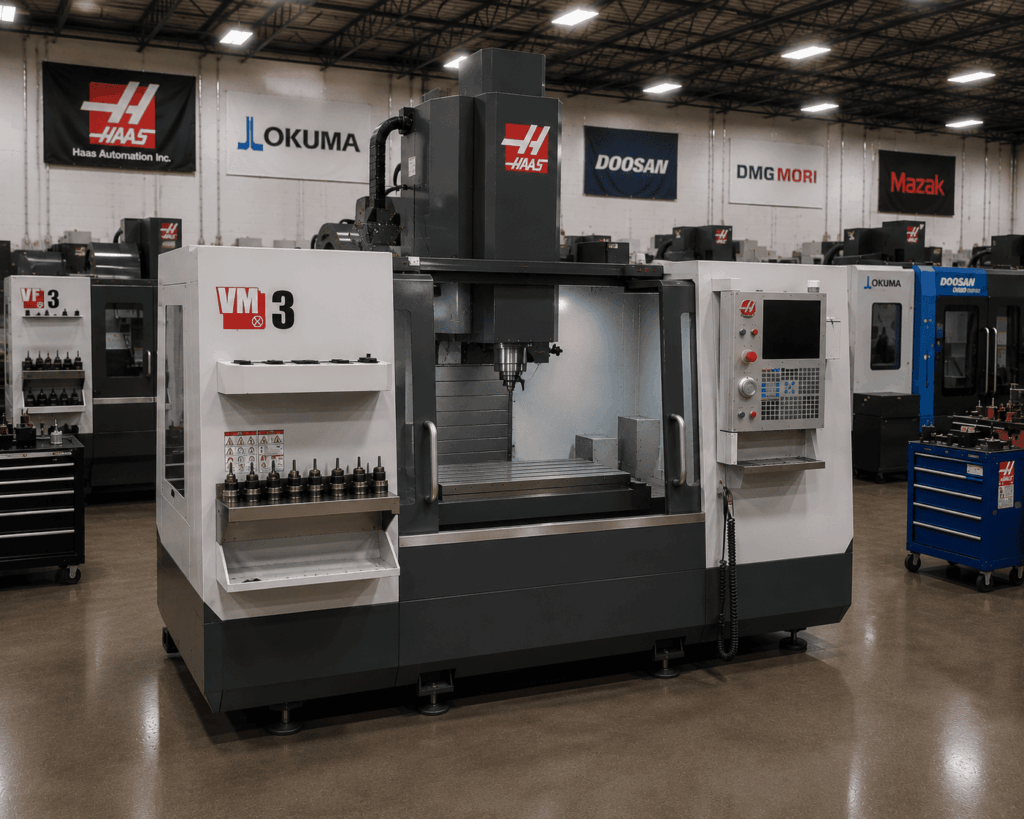
USED HAAS VM-3 – 2004
The 2004 Haas VM-3 is a premium 3-axis CNC vertical machining center (VMC) engineered specifically for high-precision mold making, die manufacturing, and intricate component machining. As part of the Haas VM (Vertical Mold) Series, the VM-3 was designed to deliver superior accuracy, excellent surface finishes, and high-speed machining performance for manufacturers producing complex molds, dies, aerospace components, medical devices, and precision tooling. Manufactured by Haas Automation, the VM Series builds upon the proven VF platform while incorporating features optimized for precision machining, including a larger work envelope, high-speed spindle, linear guideways, and an advanced side-mount tool changer.
Constructed with a heavily ribbed cast-iron frame, the Haas VM-3 provides exceptional rigidity and thermal stability, allowing it to maintain tight tolerances during extended machining operations. The machine offers 40 inches of X-axis travel, 26 inches of Y-axis travel, and 25 inches of Z-axis travel, providing ample capacity for medium-sized molds, tooling plates, aerospace fixtures, and precision production components. The standard 12,000 RPM inline direct-drive CAT 40 spindle, powered by a 30 HP (22.4 kW) vector motor, delivers excellent cutting performance across a wide range of materials including aluminum, hardened steel, stainless steel, titanium, copper alloys, graphite, engineering plastics, and composite materials. The direct-drive spindle minimizes vibration while producing superior surface finishes required for mold and die applications.
The 2004 model is commonly equipped with the Classic Haas CNC Control, offering intuitive G-code programming, rigid tapping, cutter compensation, and dependable production performance. A 30+1 side-mount automatic tool changer provides rapid tool changes that reduce cycle times and maximize spindle utilization. High rapid traverse rates improve productivity, while optional equipment such as fourth-axis rotary tables, probing systems, through-spindle coolant, chip conveyors, and high-speed machining software further expand the machine’s capabilities for complex manufacturing operations.
The Haas VM-3 is widely used throughout the mold and die, aerospace, automotive, medical, electronics, and precision manufacturing industries. Typical applications include injection molds, blow molds, die inserts, electrodes, aerospace brackets, medical implants, precision fixtures, tooling plates, electronic housings, and prototype components. Its combination of high spindle speed, generous travels, and exceptional machining accuracy has made the VM-3 one of the most respected machining centers in the used CNC equipment market.
Purchasing a used 2004 Haas VM-3 enables manufacturers to obtain premium mold-making and precision machining capabilities at a substantially lower investment than purchasing a new machine. Haas machines are well known for their reliable performance, readily available replacement parts, user-friendly controls, and economical maintenance costs. A properly maintained VM-3 continues to deliver excellent machining accuracy, superior surface finishes, and dependable long-term production, making it an outstanding investment for precision manufacturing operations.
HAAS VM-3 – 2004 SPECIFICATIONS
Axis
| Specification | Value |
|---|---|
| Machine Type | Vertical Machining Center (VMC) |
| Controlled Axes | 3 Axes |
| X-Axis Travel | 40.0 in (1,016 mm) |
| Y-Axis Travel | 26.0 in (660 mm) |
| Z-Axis Travel | 25.0 in (635 mm) |
Travels / Work Envelope
| Specification | Value |
|---|---|
| X Travel | 40.0 in (1,016 mm) |
| Y Travel | 26.0 in (660 mm) |
| Z Travel | 25.0 in (635 mm) |
| Spindle Nose to Table | 4.0–29.0 in (102–737 mm) |
Table
| Specification | Value |
|---|---|
| Table Size | 54 × 18 in (1,372 × 457 mm) |
| Maximum Table Load | 3,500 lbs (1,588 kg) |
| Number of T-Slots | 5 |
| T-Slot Width | 0.625 in (16 mm) |
Spindle
| Specification | Value |
|---|---|
| Spindle Taper | CAT 40 |
| Maximum Spindle Speed | 12,000 RPM |
| Spindle Motor | 30 HP (22.4 kW) Vector Drive |
| Maximum Torque | 90 ft-lb (122 Nm) |
| Drive Type | Inline Direct Drive |
Tool Changer
| Specification | Value |
|---|---|
| Tool Changer Type | High-Speed Side-Mount Automatic Tool Changer |
| Tool Capacity | 30+1 Tools |
| Maximum Tool Diameter | 2.5 in (64 mm) |
| Maximum Tool Diameter (Adjacent Pockets Empty) | 5.0 in (127 mm) |
| Maximum Tool Length | 13.0 in (330 mm) |
| Maximum Tool Weight | 12 lbs (5.4 kg) |
| Tool-to-Tool Time | Approx. 1.8 sec |
| Chip-to-Chip Time | Approx. 2.4 sec |
CNC Control
| Specification | Value |
|---|---|
| CNC Control | Classic Haas Control |
| Programming | ISO G-Code |
| Rigid Tapping | Standard |
| Communication | RS-232 / Ethernet (configuration dependent) |
Coolant / Chip Management
| Specification | Value |
|---|---|
| Coolant System | Flood Coolant |
| Coolant Tank Capacity | 55 gal (208 L) |
| Chip Washdown | Standard |
| Chip Conveyor | Optional |
| Through-Spindle Coolant | Optional |
Power Requirements
| Specification | Value |
|---|---|
| Electrical Supply | 220V or 440V, 3-Phase |
| Connected Load | Approx. 25 kVA |
| Pneumatic Supply | 80–100 PSI (5.5–6.9 bar) |
Dimensions
| Specification | Value |
|---|---|
| Floor Space | Approx. 152 × 102 in (3,861 × 2,591 mm) |
| Machine Height | Approx. 109 in (2,769 mm) |
| Machine Weight | Approx. 12,500 lbs (5,670 kg) |
General Information
| Specification | Value |
|---|---|
| Manufacturer | Haas Automation |
| Model | VM-3 |
| Year | 2004 |
| Machine Category | Vertical Machining Center |
| Materials Machined | Aluminum, Hardened Steel, Stainless Steel, Titanium, Copper Alloys, Graphite, Engineering Plastics, Composites |
| Typical Applications | Injection Molds, Die Inserts, Aerospace Components, Medical Devices, Fixtures, Tooling Plates, Precision Production Parts |
HOW MUCH DOES A USED HAAS VM-3 – 2004 COST?
A used 2004 Haas VM-3 typically sells for $35,000 to $65,000 USD, depending on spindle hours, machine condition, maintenance history, tooling package, and installed options such as through-spindle coolant, probing systems, fourth-axis rotary tables, chip conveyor, or high-speed machining software. Machines with documented maintenance records, low operating hours, and factory-installed accessories generally command higher resale values because of their production readiness and remaining service life.
Before purchasing a used Haas VM-3, buyers should inspect spindle bearings, axis accuracy, ballscrews, guideways, lubrication system, and tool changer performance. A properly maintained VM-3 offers exceptional long-term value by combining high-speed precision machining, superior surface finishes, and proven Haas reliability, making it an excellent investment for mold shops and manufacturers producing high-precision components.
HAAS VM-3 VS HAAS VF-3 – WHICH ONE TO BUY?
The Haas VM-3 and Haas VF-3 are CNC vertical machining centers designed for precision manufacturing, but they are optimized for different machining requirements. Both machines use Haas CNC control technology, rigid cast-iron construction, reliable spindle systems, and are widely used in industries such as aerospace, automotive, medical, mold making, and general manufacturing. The main difference is that the Haas VM-3 is specifically designed as a mold-making and precision machining center, while the Haas VF-3 is a more general-purpose vertical machining center.
The Haas VF-3 is one of the most popular CNC mills in the Haas lineup. It provides a larger work envelope compared with smaller VF models and is suitable for milling, drilling, tapping, and contouring a wide variety of materials. It is commonly used for production parts, fixtures, housings, prototypes, and general machining applications.
The Haas VM-3 is engineered for high-precision mold, die, and tooling applications. It includes features focused on improved surface finish, higher accuracy, and complex 3D machining operations. The VM Series typically includes enhanced spindle performance, faster processing capability, and precision-oriented features that benefit mold manufacturers and toolmakers.
Both machines provide excellent reliability and accuracy. The VF-3 is the better choice for shops needing a versatile production machine capable of handling various machining jobs. The VM-3 is better suited for manufacturers producing molds, dies, electrodes, and complex contoured components where precision and surface finish are critical.
For general-purpose machining, the Haas VF-3 offers excellent value and flexibility. For companies focused on precision mold making, tooling, and complex 3D machining, the Haas VM-3 provides specialized advantages.
HAAS VM-3 SPINDLE NOT TURNING – CAUSES AND TROUBLESHOOTING
If the spindle on a Haas VM-3 does not turn, the problem may be caused by spindle drive faults, electrical issues, safety interlocks, lubrication problems, cooling system failures, or CNC programming errors. Since the VM-3 is designed for precision mold and tooling applications, spindle performance is critical for maintaining surface finish and machining accuracy.
Begin troubleshooting by checking the Haas CNC control for active alarms. Emergency stop activation, open enclosure doors, spindle drive alarms, lubrication warnings, servo faults, thermal overload conditions, or tool changer problems can prevent spindle operation. Clear all alarms and confirm that the machine is ready before attempting spindle startup.
Inspect the spindle drive system for electrical issues. Loose connections, damaged encoder cables, faulty spindle amplifiers, blown fuses, overheating conditions, or spindle motor overloads can prevent spindle rotation. Verify spindle lubrication, cooling systems, compressed air supply, coolant flow, and machine power because these systems protect the spindle assembly and ensure stable operation.
Review the CNC program and machining setup. Incorrect M03 or M04 spindle commands, incorrect RPM settings, spindle orientation errors, interrupted tool changes, or incorrect machining parameters may prevent spindle startup. If recent maintenance, software updates, or parameter adjustments were performed, verify spindle-related settings.
If the spindle starts but stops immediately, inspect mechanical components including spindle bearings, tool holders, spindle taper cleanliness, drawbar operation, and excessive cutting loads. High vibration, overheating, or abnormal spindle noise may indicate bearing wear or mechanical damage.
Regular spindle inspections, proper lubrication, electrical cabinet cleaning, and preventive maintenance help prevent unexpected spindle failures. If spindle alarms continue after basic troubleshooting, Haas diagnostic procedures should be performed.
HAAS VM-3 MAINTENANCE AND PREVENTIVE CARE GUIDE
The Haas VM-3 is a precision CNC vertical machining center designed for mold making, tooling, and high-accuracy machining applications. Because these applications require excellent surface finishes and dimensional accuracy, regular preventive maintenance is essential for maintaining spindle performance, axis accuracy, and long-term reliability.
Daily maintenance should include removing chips from the enclosure, spindle taper, tool changer, table, and guideway areas. Operators should inspect coolant levels, coolant concentration, lubrication oil levels, compressed air supply, spindle cleanliness, and tool holder condition before starting production. Clean tooling and proper chip management help maintain machining accuracy.
Weekly maintenance should include cleaning electrical cabinet filters, inspecting coolant pumps, coolant nozzles, chip management systems, automatic lubrication systems, spindle air purge systems, and tool changer operation. Guideways and protective covers should be checked for smooth movement and contamination.
Monthly inspections should focus on spindle runout, tool retention force, ball screws, linear guideways, encoder cables, electrical connections, coolant filtration systems, lubrication lines, and machine leveling. Mold and die machining requires consistent machine geometry, making accuracy checks especially important.
Additional preventive maintenance includes monitoring spindle vibration, checking axis backlash, inspecting spindle bearings, replacing filters, maintaining lubrication systems, and verifying machine calibration. Maintenance records help identify developing issues before they affect production quality.
A structured maintenance program improves spindle life, machining accuracy, surface finish quality, and machine reliability. The Haas VM-3 is built for precision manufacturing environments, and proper preventive care ensures consistent performance for demanding mold and tooling applications.
FAQ
What is the Haas VM-3?
The Haas VM-3 is a CNC vertical machining center specifically designed for mold making, die work, tooling, and precision machining applications. It combines the reliability of the Haas platform with features optimized for high-accuracy machining, complex 3D contouring, and superior surface finishes.
The VM-3 features a rigid cast-iron structure, Haas CNC control system, high-performance spindle, automatic tool changer, and precision-oriented design elements that make it suitable for producing molds, dies, electrodes, fixtures, and complex components.
It is widely used in aerospace, automotive, medical, electronics, plastics, and tool-and-die industries where tight tolerances and excellent surface finishes are required. The machine is especially valuable for manufacturers producing complex geometries that require accurate multi-pass machining and detailed finishing operations.
Compared with standard production machines, the Haas VM-3 provides additional capability for precision mold and tooling work while maintaining Haas reliability, ease of operation, and service support.
What are the most common problems with the Haas VM-3?
The most common problems with the Haas VM-3 include spindle alarms, automatic tool changer faults, lubrication system warnings, encoder errors, servo drive alarms, coolant contamination, spindle orientation problems, drawbar issues, tool retention problems, electrical communication faults, and axis positioning errors.
Because the VM-3 is commonly used for precision mold and tooling applications, issues affecting accuracy and surface finish are also important. Problems may develop due to insufficient lubrication, coolant contamination, spindle wear, excessive cutting loads, improper tooling, or lack of calibration.
Regular spindle inspections, lubrication checks, coolant management, axis calibration, electrical inspections, and scheduled preventive maintenance help reduce downtime and maintain the accuracy required for high-precision machining applications.
Related Products
-
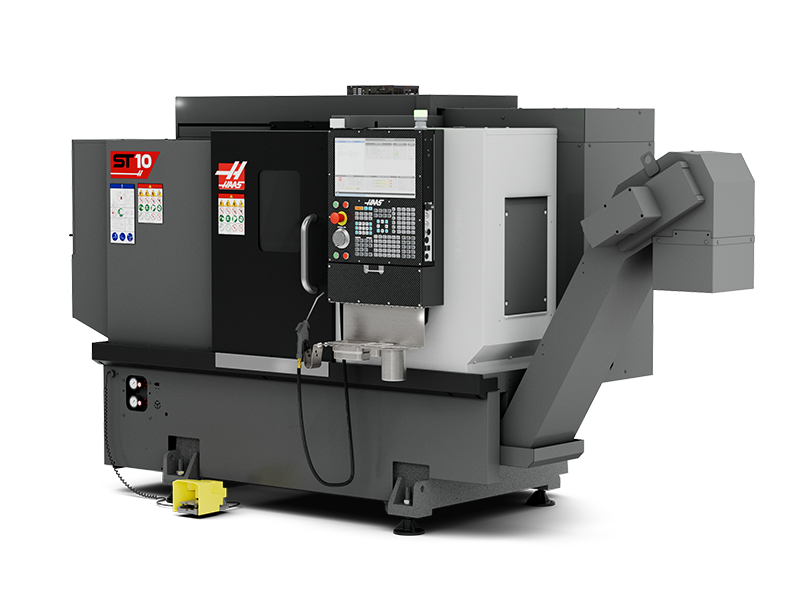
HAAS - ST10Y
VIEW MACHINE -
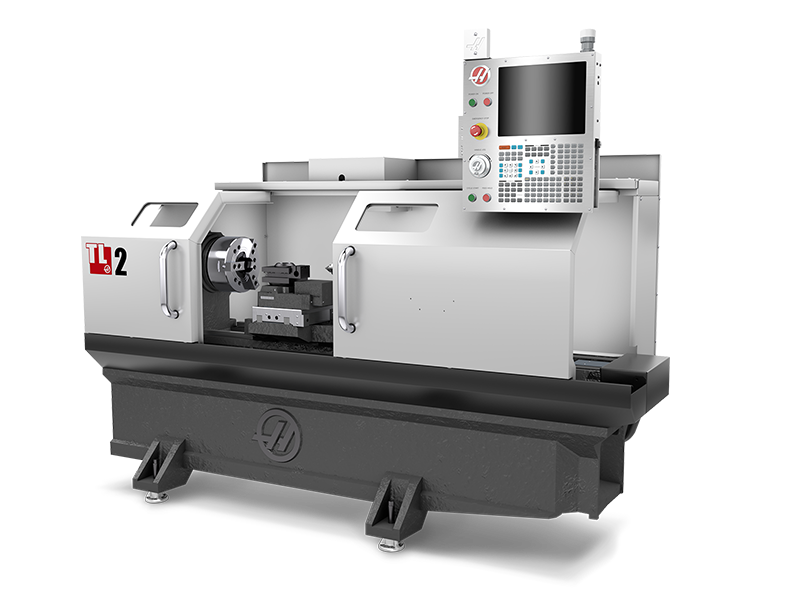
HAAS - TL2
VIEW MACHINE -
HAAS - ST15
VIEW MACHINE -
HAAS - VF4
VIEW MACHINE