USED HAAS VF-1 – 2000
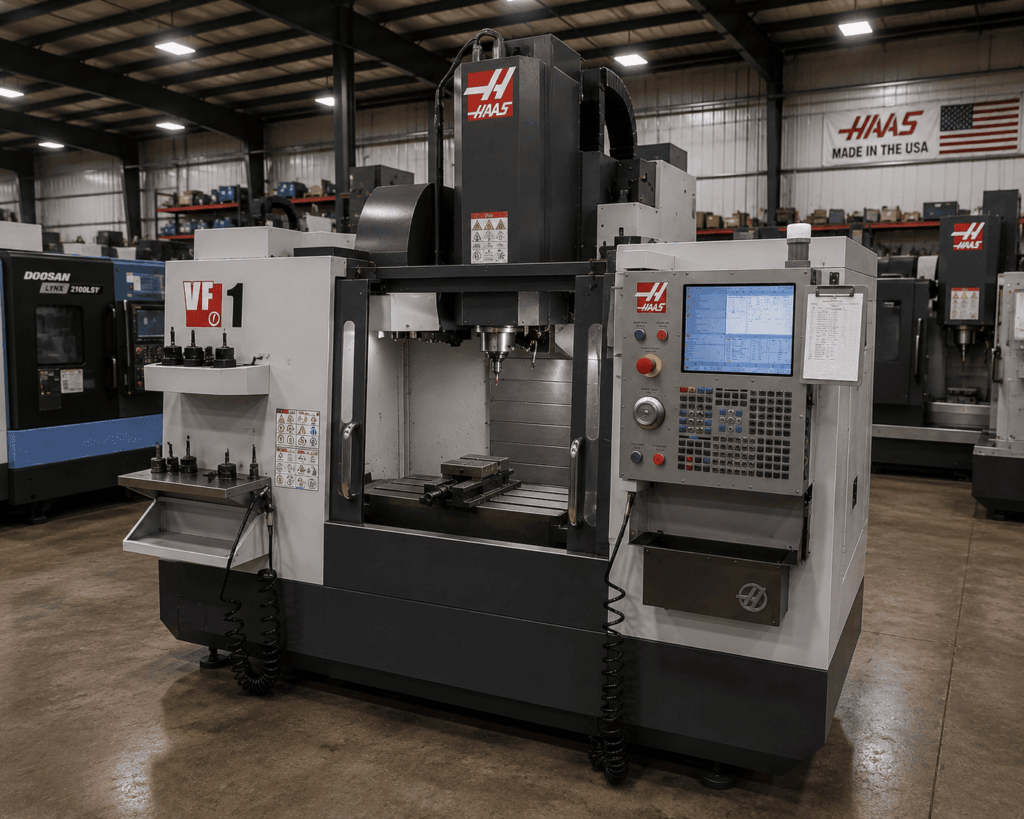
The 2000 Haas VF-1 is a compact and dependable 3-axis CNC vertical machining center (VMC) designed for precision milling, drilling, tapping, and contouring operations. Manufactured by Haas Automation, the VF-1 is part of the highly successful VF Series, which has become one of the most widely used CNC machining center families in North America. Its rigid construction, user-friendly CNC control, and compact footprint make it an excellent solution for job shops, prototype manufacturing, educational facilities, and small- to medium-volume production environments.
Built with a heavily ribbed cast-iron frame, the Haas VF-1 delivers excellent rigidity and vibration damping for consistent machining accuracy. The machine features 20 inches of X-axis travel, 16 inches of Y-axis travel, and 20 inches of Z-axis travel, providing ample work envelope for a wide range of precision-machined components. Equipped with a 40-taper spindle operating at up to 7,500 RPM, the VF-1 offers reliable cutting performance in aluminum, steel, stainless steel, cast iron, brass, titanium, and engineering plastics. The machine is capable of performing face milling, pocket milling, drilling, boring, tapping, and complex contouring with excellent repeatability and surface finish.
The 2000 model is commonly equipped with the Classic Haas CNC Control, known for its intuitive interface, conversational programming, ISO G-code compatibility, and dependable operation. A 20-station umbrella-style automatic tool changer allows efficient tool management for multi-operation machining, while programmable coolant, rigid tapping, and optional fourth-axis rotary capability further expand the machine’s versatility. Its relatively small footprint allows shops to maximize production capacity without sacrificing valuable floor space.
The Haas VF-1 is widely used in the aerospace, automotive, medical, electronics, mold making, tooling, and general manufacturing industries. Typical applications include fixtures, brackets, manifolds, mold components, machine parts, tooling plates, electronic housings, medical devices, and prototype components. Its flexibility and dependable performance have made the VF-1 one of the most popular entry-level vertical machining centers in the used CNC market.
Purchasing a used 2000 Haas VF-1 gives manufacturers access to reliable CNC milling capability at a significantly lower investment than purchasing a new machining center. Haas machines are well known for their simple operation, readily available replacement parts, affordable maintenance, and long service life. A properly maintained VF-1 continues to deliver accurate machining, dependable production, and excellent value, making it an outstanding investment for shops seeking an economical yet capable vertical machining center.
HAAS VF-1 – 2000 SPECIFICATIONS
Axis
| Specification | Value |
|---|---|
| Machine Type | Vertical Machining Center (VMC) |
| Controlled Axes | 3 Axes |
| X-Axis Travel | 20.0 in (508 mm) |
| Y-Axis Travel | 16.0 in (406 mm) |
| Z-Axis Travel | 20.0 in (508 mm) |
Travels / Work Envelope
| Specification | Value |
|---|---|
| X Travel | 20.0 in (508 mm) |
| Y Travel | 16.0 in (406 mm) |
| Z Travel | 20.0 in (508 mm) |
| Spindle Nose to Table | 4.0–24.0 in (102–610 mm) |
Table
| Specification | Value |
|---|---|
| Table Size | 26 × 14 in (660 × 356 mm) |
| Maximum Table Load | 1,500 lbs (680 kg) |
| T-Slots | 3 |
| T-Slot Width | 0.625 in (16 mm) |
Spindle
| Specification | Value |
|---|---|
| Spindle Taper | CAT 40 |
| Maximum Spindle Speed | 7,500 RPM |
| Spindle Motor | 20 HP (14.9 kW) Vector Drive |
| Maximum Torque | 90 ft-lb (122 Nm) |
| Drive Type | Belt Drive |
Tool Changer
| Specification | Value |
|---|---|
| Tool Changer Type | Automatic Umbrella Tool Changer |
| Tool Capacity | 20 Tools |
| Maximum Tool Diameter | 3.0 in (76 mm) |
| Maximum Tool Weight | 12 lbs (5.4 kg) |
| Tool-to-Tool Time | Approx. 4.2 sec |
CNC Control
| Specification | Value |
|---|---|
| CNC Control | Classic Haas Control |
| Programming | ISO G-Code |
| Rigid Tapping | Standard |
| Communication | RS-232 |
Coolant / Chip Management
| Specification | Value |
|---|---|
| Coolant System | Flood Coolant |
| Coolant Tank Capacity | Approx. 55 gal (208 L) |
| Chip Removal | Manual or Optional Chip Auger |
Power Requirements
| Specification | Value |
|---|---|
| Electrical Supply | 208–240V or 440V, 3-Phase |
| Connected Load | Approx. 20 kVA |
| Pneumatic Supply | 100 PSI (6.9 bar) |
Dimensions
| Specification | Value |
|---|---|
| Floor Space | Approx. 100 × 95 in (2,540 × 2,413 mm) |
| Machine Height | Approx. 102 in (2,591 mm) |
| Machine Weight | Approx. 7,200 lbs (3,266 kg) |
General Information
| Specification | Value |
|---|---|
| Manufacturer | Haas Automation |
| Model | VF-1 |
| Year | 2000 |
| Machine Category | Vertical Machining Center |
| Materials Machined | Aluminum, Steel, Stainless Steel, Cast Iron, Brass, Titanium, Engineering Plastics |
| Typical Applications | Fixtures, Brackets, Mold Components, Tooling Plates, Medical Parts, Aerospace Components, Electronic Housings, Prototype Parts |
HOW MUCH DOES A USED HAAS VF-1 – 2000 COST?
A used 2000 Haas VF-1 typically sells for $15,000 to $30,000 USD, depending on spindle hours, machine condition, maintenance history, tooling package, and optional equipment such as a fourth-axis rotary table, chip auger, programmable coolant, or probing system. Machines with documented maintenance records, low operating hours, and additional tooling generally command higher resale values due to their production readiness and remaining service life.
Before purchasing a used Haas VF-1, buyers should inspect the spindle bearings, axis backlash, tool changer operation, lubrication system, ballscrews, and overall machine geometry. A properly maintained VF-1 continues to provide reliable machining performance, consistent accuracy, and excellent return on investment, making it one of the best-value compact vertical machining centers available on the used CNC equipment market.
HAAS VF-1 VS HAAS VF-2 – WHICH ONE TO BUY?
The Haas VF-1 and Haas VF-2 are compact CNC vertical machining centers designed for precision milling, drilling, tapping, and production machining applications. Both machines belong to the Haas VF Series and feature the Haas CNC control system, rigid cast-iron construction, high-performance spindle options, and reliable machining capabilities. The primary difference between these two models is machining capacity, with the Haas VF-2 offering a larger work envelope, increased axis travels, and greater flexibility for larger workpieces compared with the VF-1.
The Haas VF-1 is designed for manufacturers requiring a compact CNC machining center for smaller components, prototypes, fixtures, tooling, and short production runs. Its smaller footprint makes it ideal for job shops, educational facilities, maintenance departments, and manufacturers with limited floor space. It provides the same Haas control experience found on larger machines while maintaining a lower investment cost.
The Haas VF-2 offers additional X-, Y-, and Z-axis travel, allowing manufacturers to machine larger parts, larger fixtures, and more complex components. It is one of the most popular Haas machining centers due to its balance of size, performance, reliability, and affordability. The VF-2 is widely used in aerospace, automotive, medical, mold making, and general manufacturing applications.
Both machines deliver excellent accuracy and productivity, but the choice depends on part size and future production requirements. The VF-1 is suitable for smaller components and compact machining operations, while the VF-2 provides greater flexibility for manufacturers expecting larger workpieces.
For shops focused on long-term growth, the Haas VF-2 is often the preferred investment because its larger work envelope provides more machining capability without significantly increasing operational complexity.
HAAS VF-1 SPINDLE NOT TURNING – CAUSES AND TROUBLESHOOTING
If the spindle on a Haas VF-1 does not turn, the issue may be caused by spindle drive faults, electrical problems, machine safety conditions, lubrication issues, or CNC programming errors. A systematic troubleshooting process can help identify the problem quickly and reduce production downtime.
Begin by checking the Haas CNC control for active alarms. Emergency stop activation, open enclosure doors, spindle drive faults, lubrication warnings, servo alarms, thermal overload conditions, or tool changer issues can prevent spindle operation. Clear all alarms and verify that the machine is ready before attempting spindle startup.
Inspect the spindle drive system for electrical problems. Loose wiring connections, damaged encoder cables, faulty spindle amplifiers, blown fuses, overheating conditions, or spindle motor overloads may stop spindle rotation. Confirm that spindle lubrication, cooling systems, compressed air supply, and machine power are functioning correctly. These systems protect the spindle and ensure safe operation.
Review the CNC program and machine setup. Missing M03 or M04 spindle commands, incorrect RPM settings, spindle orientation commands, interrupted tool changes, or incorrect machining modes can prevent spindle startup. If maintenance, software updates, or parameter changes have recently occurred, verify spindle-related settings.
If the spindle starts but stops immediately, inspect mechanical components including spindle bearings, tool holders, spindle taper cleanliness, drawbar operation, and excessive cutting loads. Excessive vibration, overheating, or unusual spindle noise may indicate mechanical wear.
Regular preventive maintenance, proper lubrication, electrical cabinet cleaning, and spindle inspections help prevent unexpected failures. If spindle alarms continue after basic checks, professional Haas service diagnostics may be required.
HAAS VF-1 MAINTENANCE AND PREVENTIVE CARE GUIDE
The Haas VF-1 is designed for reliable precision machining, but regular preventive maintenance is essential for maintaining accuracy, spindle performance, and long-term machine reliability. Proper care of the spindle, tool changer, lubrication system, coolant system, and axis components ensures consistent machining results.
Daily maintenance should include removing chips from the enclosure, spindle taper, tool changer, table, and guideways. Operators should check coolant levels, coolant concentration, lubrication oil levels, compressed air supply, and spindle cleanliness before production. Tool holders, cutting tools, fixtures, and workholding devices should be inspected for wear or contamination.
Weekly maintenance should include cleaning electrical cabinet filters, inspecting coolant pumps, coolant nozzles, chip trays, automatic lubrication systems, spindle air purge systems, and tool changer operation. Proper lubrication and chip management are critical for maintaining machine accuracy.
Monthly inspections should focus on spindle runout, tool retention force, ball screws, linear guideways, encoder cables, electrical connections, coolant filtration systems, lubrication lines, and machine leveling. Coolant tanks should be cleaned regularly to prevent contamination that can reduce tool life and surface finish quality.
Additional preventive maintenance includes monitoring spindle vibration, checking axis backlash, inspecting spindle bearings, replacing filters, maintaining lubrication systems, and verifying machine geometry. Keeping accurate service records helps identify potential issues before they become expensive repairs.
A consistent maintenance program improves spindle life, machining accuracy, surface finish, and overall productivity. The Haas VF-1 is built for dependable CNC machining, and proper preventive care ensures reliable performance throughout its operating life.
FAQ
What is the Haas VF-1?
The Haas VF-1 is a compact CNC vertical machining center designed for precision milling, drilling, tapping, and contouring operations. It features a rigid cast-iron structure, high-performance spindle, Haas CNC control system, automatic tool changer, and reliable axis drive system. The machine is designed for job shops, prototype manufacturers, educational facilities, tooling operations, and small production environments.
The VF-1 provides the same programming interface and operating philosophy found on larger Haas VF Series machines while offering a smaller footprint and lower investment cost. It is commonly used for producing fixtures, molds, precision components, prototypes, and general machining applications where accuracy and flexibility are required.
What are the most common problems with the Haas VF-1?
The most common problems with the Haas VF-1 include spindle alarms, automatic tool changer faults, lubrication system warnings, encoder errors, servo drive alarms, coolant contamination, spindle orientation problems, tool retention issues, electrical communication faults, and axis positioning errors.
These issues are generally related to normal component wear, insufficient maintenance, contamination, improper lubrication, or operating conditions. Regular cleaning, lubrication, coolant management, scheduled inspections, and timely replacement of worn components help reduce downtime and maintain reliable machine performance.
Related Products
-
HAAS - VM3
VIEW MACHINE -
HAAS - VF3
VIEW MACHINE -
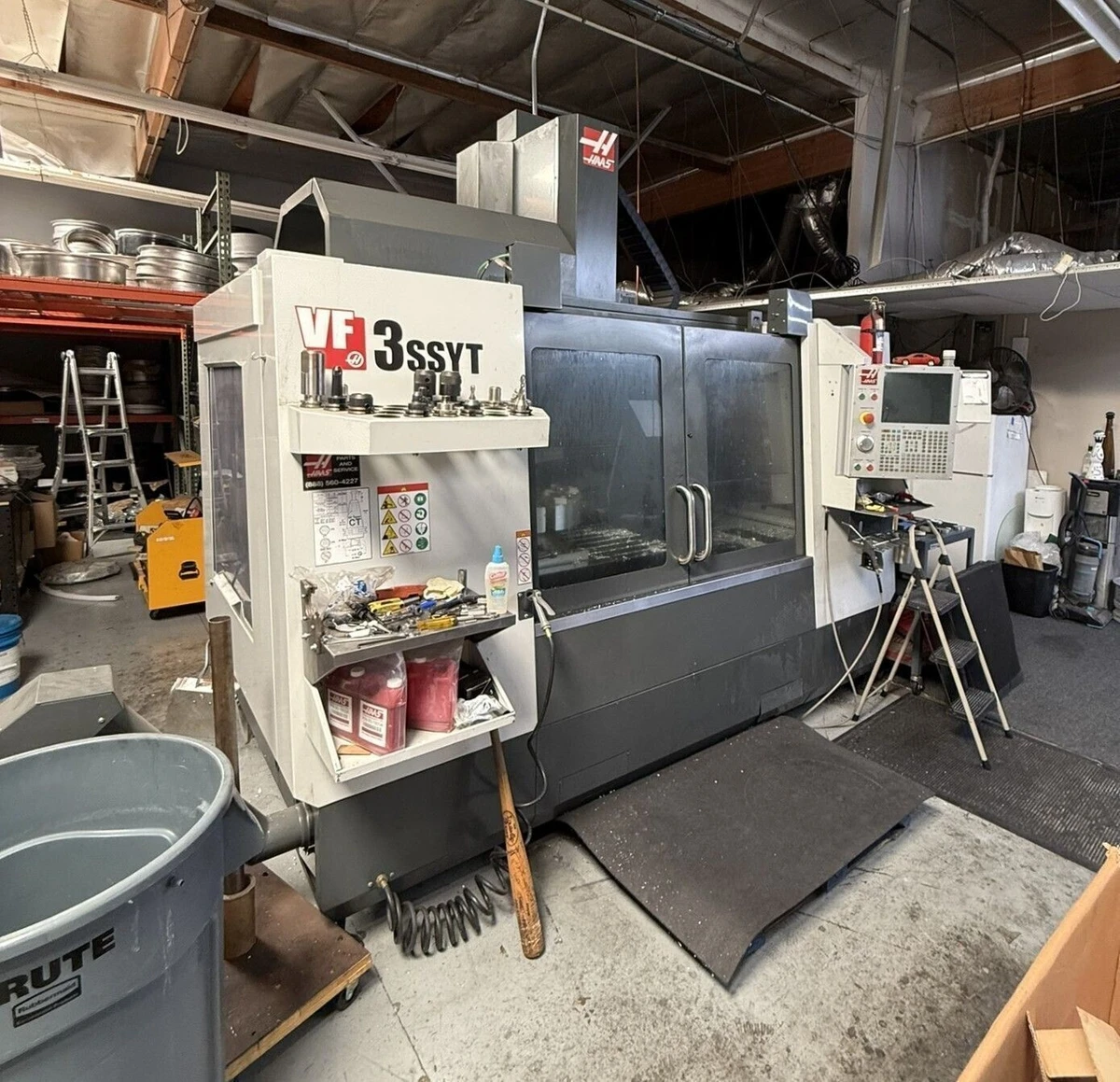
HAAS - VF3SSYT
VIEW MACHINE -
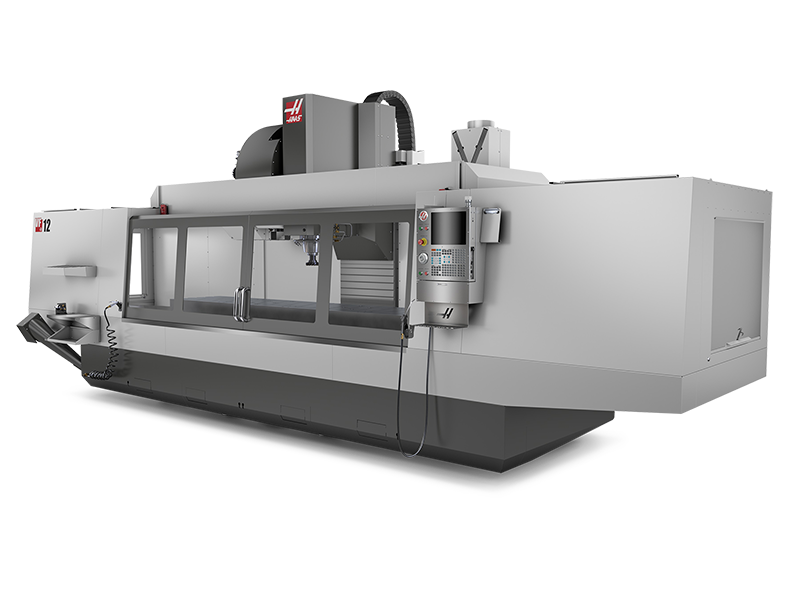
HAAS - VF12/50
VIEW MACHINE