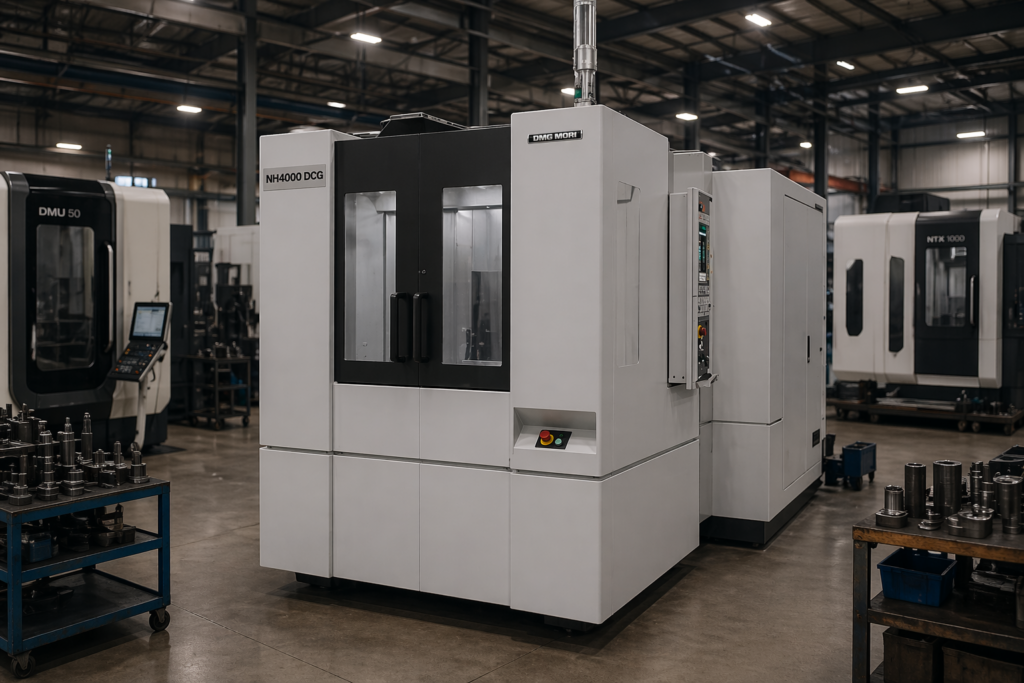
DMG MORI NH 4000 DCG
USED DMG MORI NH 4000 DCG
The DMG MORI NH 4000 DCG is a high-precision horizontal machining center designed to deliver exceptional accuracy, speed, and reliability in compact production environments. Built around a 400 × 400 mm pallet system, the machine offers axis travels of approximately 560 mm in X and Y, and 630 mm in Z. It can handle workpieces up to 630 mm in diameter, 900 mm in height, and weighing up to 400 kg, making it ideal for automotive components, precision engineering, and medium-volume production.
A defining feature of the NH 4000 DCG is its DCG (Driven at the Center of Gravity) technology, which minimizes vibration by controlling motion at the machine’s center of mass. This results in improved surface finish, better roundness, longer tool life, and higher machining accuracy. The machine also incorporates a rigid box-in-box structure, enhancing stability during both high-speed and heavy-duty cutting operations.
In terms of cutting time, the NH 4000 DCG is optimized for high-speed machining with excellent acceleration and reduced non-cutting time. The integration of direct drive motors for rotary axes ensures zero backlash, enabling precise indexing and faster cycle times. Its compact footprint further enhances shop-floor efficiency without compromising machining capacity.
Machines produced after 2010 typically feature improved CNC controls such as MAPPS/FANUC, better thermal stability, and enhanced automation compatibility, resulting in shorter cycle times and higher productivity. Earlier models still provide strong mechanical reliability but may have slightly longer cutting times due to less advanced control systems. Overall, the NH 4000 DCG is recognized as a high-performance machining solution that combines precision, speed, and durability in a compact design.
DMG MORI NH 4000 DCG SPECIFICATIONS
| DMG MORI NH 4000 DCG – AXIS |
|---|
| X-Axis (Longitudinal) |
| Y-Axis (Vertical) |
| Z-Axis (Cross) |
| B-Axis (Rotary Table – Direct Drive, high-precision indexing) |
| DMG MORI NH 4000 DCG – AXIS TRAVELS |
|---|
| X-Axis Travel: ~560 mm |
| Y-Axis Travel: ~560 mm |
| Z-Axis Travel: ~630 mm |
| B-Axis Rotation: 360° (Direct Drive, zero backlash) |
| DMG MORI NH 4000 DCG – CAPACITY |
|---|
| Maximum Workpiece Diameter: ~630 mm |
| Maximum Workpiece Height: ~900 mm |
| Maximum Workpiece Weight: ~400 kg |
| DMG MORI NH 4000 DCG – SPINDLE |
|---|
| Spindle Taper: BT40 / HSK-A63 (typical configuration) |
| Spindle Speed: Up to ~15,000 RPM (optional higher) |
| Spindle Power: High-performance spindle for precision machining |
| Spindle Torque: Optimized for high-speed and stable cutting |
| DMG MORI NH 4000 DCG – TABLE |
|---|
| Pallet Size: 400 x 400 mm |
| Number of Pallets: 2 (standard pallet changer) |
| Table Indexing: High precision (Direct Drive, zero backlash) |
| Maximum Table Load: ~400 kg |
| DMG MORI NH 4000 DCG – TOOL TURRET |
|---|
| Tool Magazine Capacity: 40–120 tools (configurable) |
| Tool Type: Automatic Tool Changer (ATC) |
| Maximum Tool Length: ~400–500 mm |
| Maximum Tool Weight: ~10–15 kg |
| DMG MORI NH 4000 DCG – FEEDRATES |
|---|
| Rapid Traverse (X/Y/Z): ~60 m/min |
| Cutting Feedrate: Up to ~30,000 mm/min |
| Acceleration: High acceleration due to DCG design |
| DMG MORI NH 4000 DCG – COOLANT & CHIP MANAGEMENT |
|---|
| Coolant System: Flood coolant with through-spindle option |
| Coolant Capacity: Optimized for continuous machining |
| Chip Conveyor: Automatic chip conveyor |
| Chip Management: Efficient evacuation with compact design |
| DMG MORI NH 4000 DCG – CONTROL SYSTEM |
|---|
| Control System: MAPPS (Fanuc-based) |
| User Interface: Conversational programming with simulation |
| Features: Tool management, diagnostics, monitoring |
| DMG MORI NH 4000 DCG – POWER & AIR REQUIREMENTS |
|---|
| Power Supply: ~40–60 kVA |
| Compressed Air: ~6 bar |
| Air Consumption: Low to moderate |
| DMG MORI NH 4000 DCG – DIMENSIONS |
|---|
| Machine Footprint: ~2,400 x 4,000 mm |
| Machine Height: ~2,700 mm |
| Machine Weight: ~10,000–12,000 kg |
| DMG MORI NH 4000 DCG – GENERAL INFORMATION |
|---|
| Machine Type: Horizontal Machining Center (HMC) |
| Structure: Box-in-box construction with DCG (Driven at Center of Gravity) |
| Application: High-speed, high-precision machining |
| Automation: Pallet changer and automation-ready |
| INDUSTRIES THAT USE DMG MORI NH 4000 DCG |
|---|
| Automotive |
| Aerospace |
| Electronics |
| Medical Devices |
| Precision Engineering |
| TYPICAL PARTS DMG MORI NH 4000 DCG CAN PRODUCE |
|---|
| Transmission Components |
| Precision Housings |
| Valve Bodies |
| Aluminum Parts |
| Small Mechanical Components |
| WHY CHOOSE DMG MORI NH 4000 DCG |
|---|
| DCG technology improves accuracy and surface finish |
| Direct drive rotary axis with zero backlash |
| Compact footprint with large work envelope |
| High-speed and high-precision machining capability |
| Reliable performance with low maintenance |
WHY BUY USED DMG MORI NH 4000 DCG
Purchasing a used DMG MORI NH 4000 DCG is a highly practical investment for manufacturers looking to achieve high precision and productivity at a lower cost. One of the primary advantages is the machine’s advanced engineering, particularly its DCG technology, which ensures reduced vibration, improved tool life, and consistent machining accuracy even after years of operation. This makes it a reliable choice for precision-focused industries.
Cost savings are a significant benefit. A new NH 4000 DCG represents a considerable investment due to its advanced capabilities. By purchasing a used unit, businesses can access high-speed machining, compact design, and precision performance at a fraction of the cost. This allows companies to allocate capital toward tooling, automation, or additional machines.
Machines manufactured before 2000 are not direct DCG models but comparable horizontal machining centers from earlier generations. These typically have longer cutting times due to slower spindle speeds and less efficient CNC systems, making them suitable for basic or low-volume production. Models from 2000 to 2010 offer improved control systems and better cutting efficiency, providing a strong balance between cost and performance.
Used NH 4000 DCG machines produced after 2010 are particularly valuable because they include modern features such as faster feed rates, improved spindle performance, and enhanced control systems. These upgrades significantly reduce cutting times and improve overall productivity. In many cases, they can deliver performance close to newer machines at a much lower price point.
From a cutting-time perspective, a well-maintained used NH 4000 DCG with lower spindle hours can still achieve excellent cycle times and surface quality. Combined with DMG MORI’s strong global support network and availability of spare parts, it becomes a dependable long-term investment for manufacturers aiming to increase efficiency while controlling costs.
HOW MUCH DOES A USED DMG MORI NH 4000 DCG COST?
The cost of a used DMG MORI NH 4000 DCG varies depending on factors such as year of manufacture, condition, spindle hours, automation features, and cutting performance. As a compact but high-precision horizontal machining center, it typically falls into a mid-range pricing category within the used machinery market.
Machines comparable to pre-2000 horizontal machining centers generally range from $20,000 to $60,000. These machines often have longer cutting times due to slower spindle speeds and outdated CNC systems. While they may still be structurally sound, they are best suited for basic machining tasks or secondary operations.
Models manufactured between 2000 and 2010 typically range from $60,000 to $130,000. These machines offer improved CNC controls, better tooling capabilities, and more efficient cutting performance. Their cutting times are significantly reduced compared to older machines, making them a popular choice for small to mid-sized manufacturers.
For NH 4000 DCG machines produced between 2010 and 2025, prices generally range from $130,000 to $250,000 or more, depending on configuration and condition. These newer models benefit from advanced control systems, faster axis acceleration, and improved spindle technology, all of which contribute to shorter cycle times and higher productivity.
Cutting time is a critical factor influencing value. Machines with lower spindle hours and better maintenance histories typically deliver faster and more consistent machining, which justifies higher pricing. Additional features such as pallet changers, larger tool magazines, and automation integration can further increase cost but also significantly enhance efficiency.
Ultimately, the right investment depends on production requirements, budget, and the desired balance between upfront cost and long-term operational performance.
Related Products
-
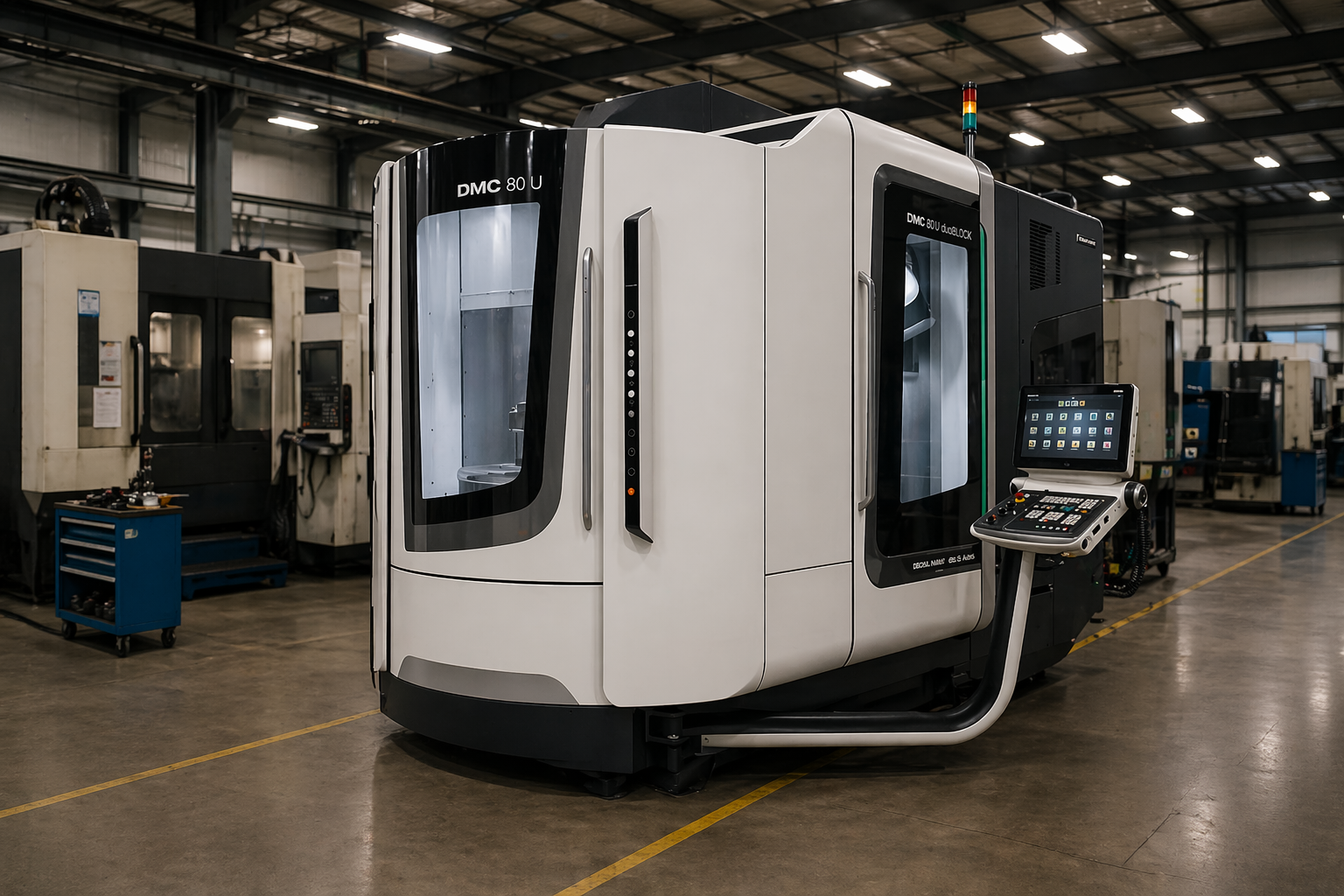
DMG MORI - DMC 80 FD DUOBLOCK
VIEW MACHINE -
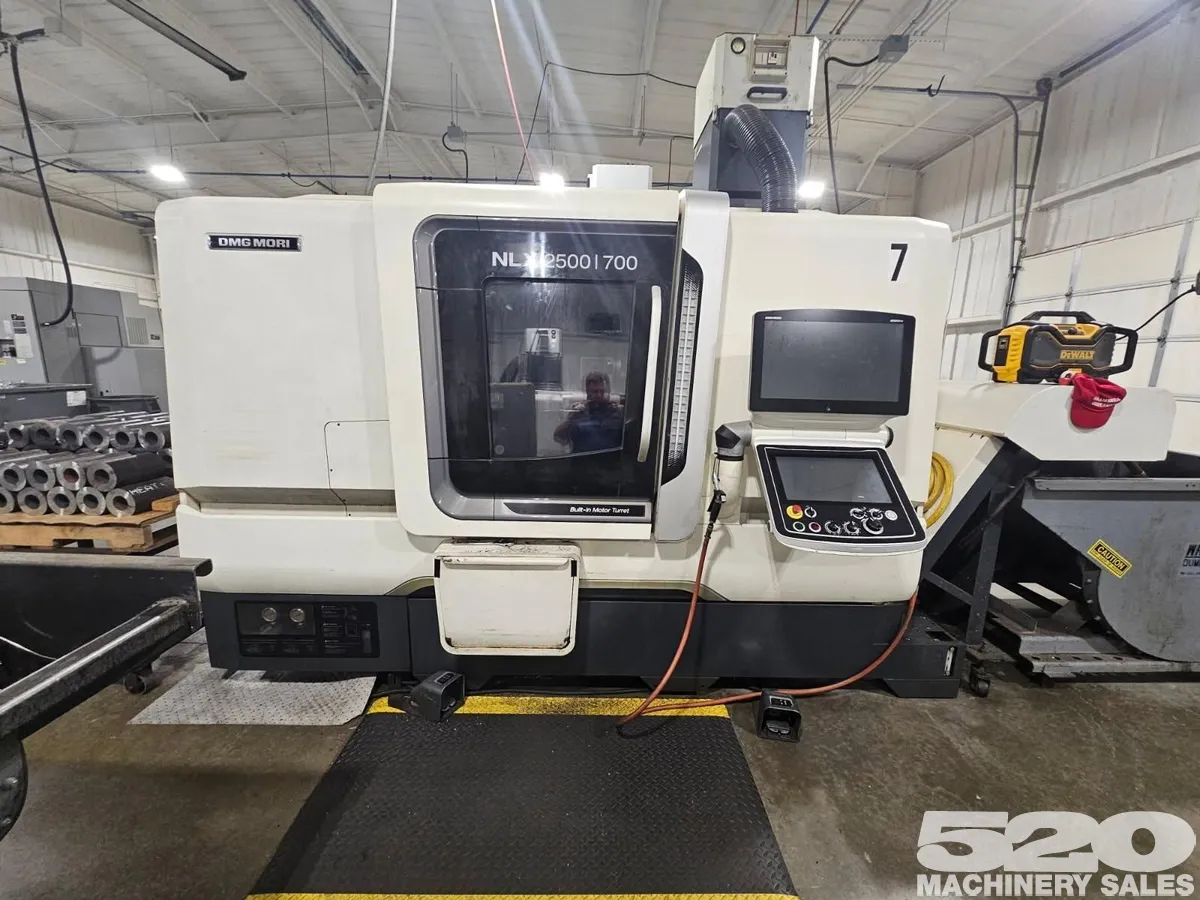
DMG MORI - NLX 2500SY
VIEW MACHINE -
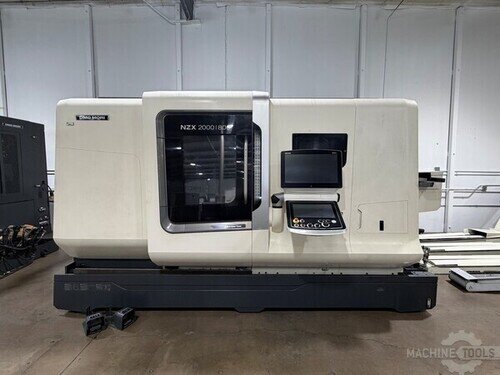
DMG MORI - NZX2000/800SY
VIEW MACHINE -
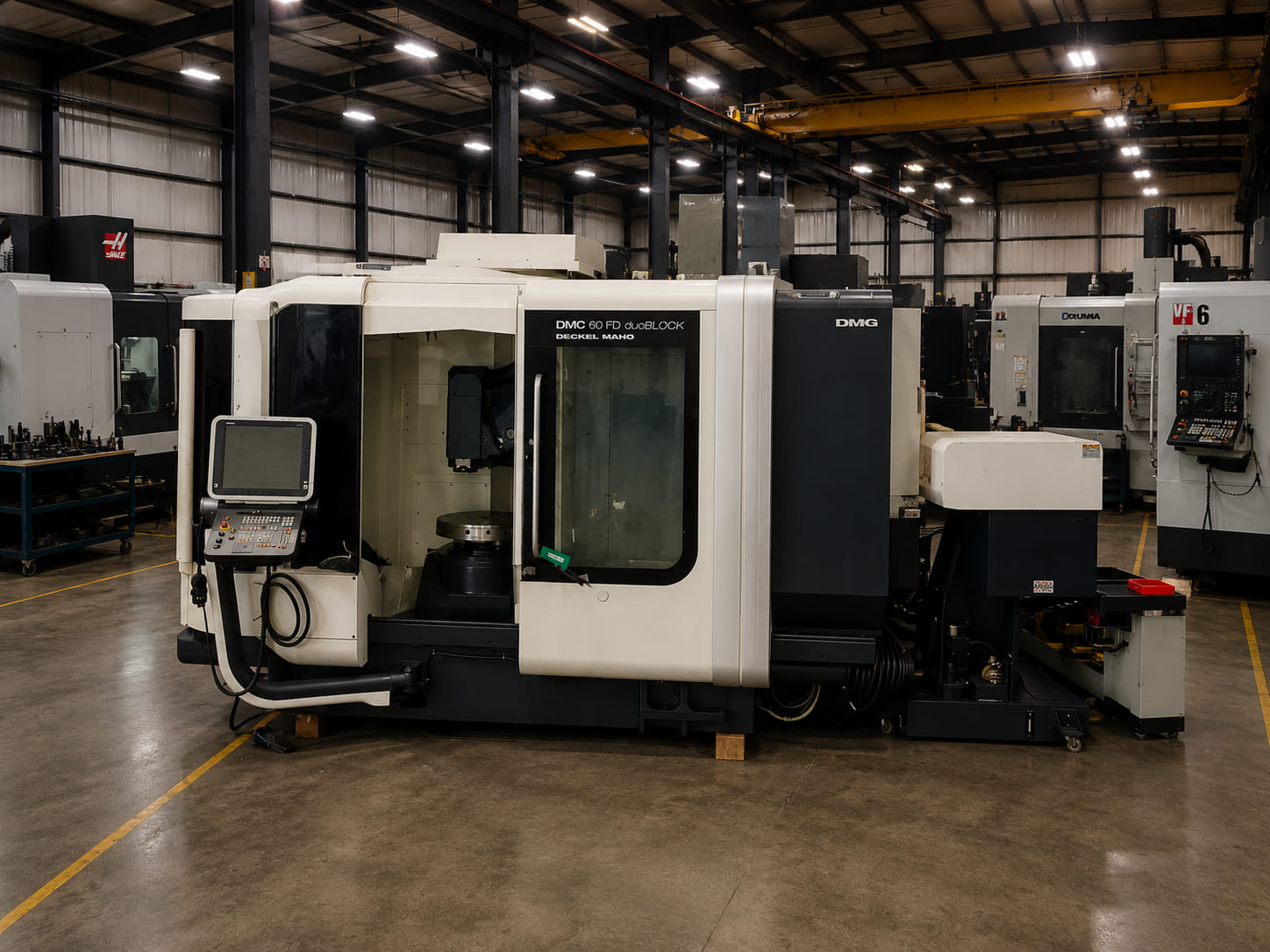
DMG MORI - DMC 60 FD duoBLOCK
VIEW MACHINE